
What Is Garagiste Wine?


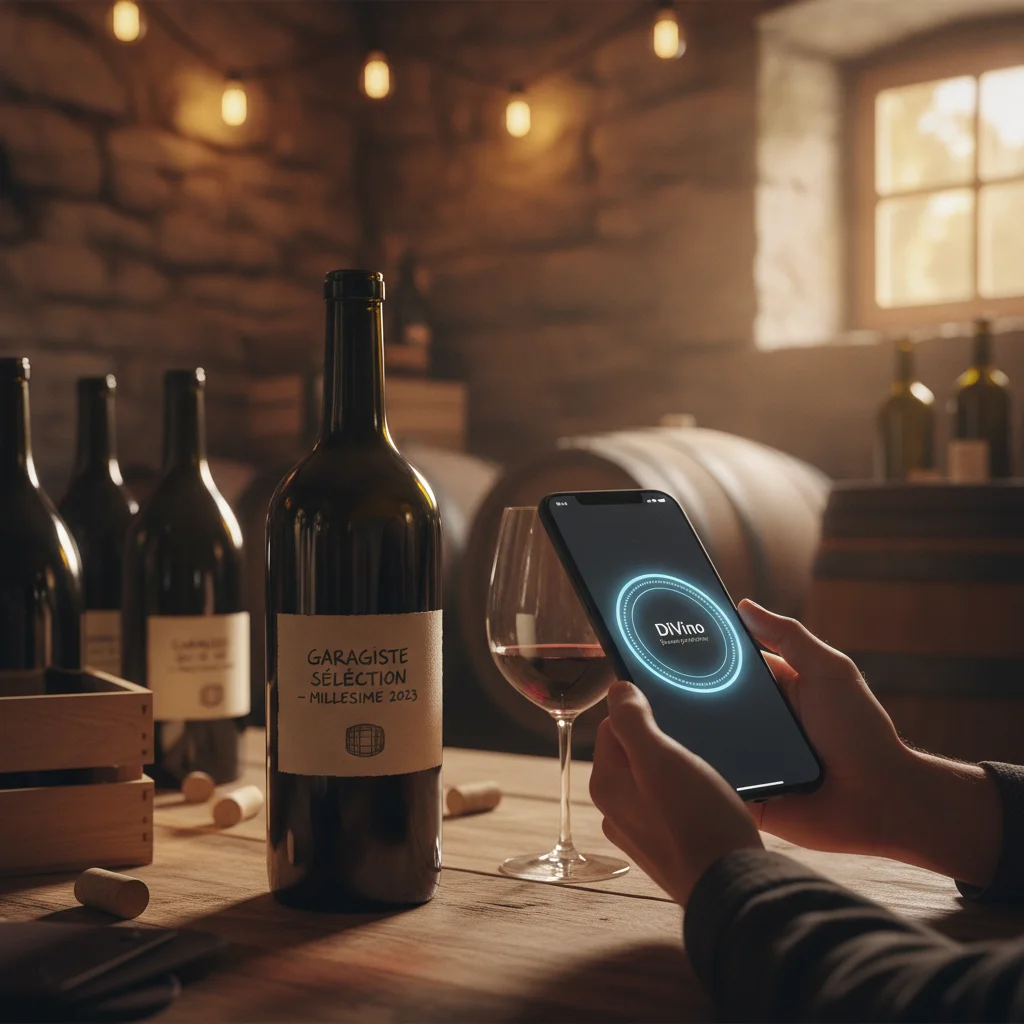
Definition: A garagiste is a wine producer associated with very small production, limited vineyard holdings, hands-on winemaking, and wines made in compact or unconventional facilities. A garagiste wine is not an official legal category, appellation, grape variety, or guarantee of quality.
Try the wine scanner on iPhone to scan a label and save the bottle.
Garagiste Wine Meaning
In wine, garagiste refers to a small, independent producer working on a scale that contrasts with a traditional estate or large winery. The word is French for someone associated with a garage, and the wine usage originally carried the idea of producers making concentrated, ambitious wines in garage-sized facilities.
The term became linked to Bordeaux's Right Bank, where small vineyard holdings made limited production possible. Some producers used highly selective harvesting, low yields, ripe fruit, new oak, and attentive cellar work to create wines with a rich, polished style. Today, garagiste may also describe tiny producers in other regions, even when their methods and wine styles differ.
The DiVino Wine Identifier App, also called Wine Identifier App, can scan a bottle label on iPhone to help identify its producer, cuvée, region, grape information, and vintage. Identification is the first step because the word garagiste may not appear anywhere on the bottle.
Where the Garage Wine Movement Began
The modern garagiste idea is usually connected with Bordeaux in the 1990s, particularly Saint-Émilion and nearby Right Bank appellations. These areas include many small parcels, and some winemakers began producing tiny quantities without the large vineyards, historic buildings, or established classification status associated with famous châteaux.
Château Valandraud, founded by Jean-Luc Thunevin and Murielle Andraud, is often cited when discussing the movement. Le Pin, an earlier and highly sought-after Pomerol estate, is also frequently treated as an influence on the small-production model, although histories may distinguish it from the later garagiste group.
The label was not always complimentary. Critics sometimes used it to question whether concentrated fruit, strong oak influence, and scarce production were being favored over regional tradition. As a result, garagiste can describe production scale, a historical movement, a marketing identity, or a style associated with a particular period.
Typical Characteristics of Garagiste Wines
There is no official checklist for garage wine. Still, several characteristics commonly appear in descriptions of garagiste producers:
- Small vineyard area: Fruit may come from one parcel, a few hectares, or carefully selected purchased grapes.
- Limited production: Some cuvées are made in only a small number of barrels, although bottle counts vary widely.
- Hands-on production: The owner or winemaker may personally oversee farming, sorting, fermentation, blending, and sales.
- Compact facilities: Wine may be produced in a converted building or small cellar rather than a grand estate.
- Distinctive style: Bordeaux examples are often associated with ripe fruit, concentration, careful extraction, and noticeable oak, but these traits are not universal.
A garagiste bottle is not automatically natural wine, organic wine, unfiltered wine, or cult wine. Those descriptions address different farming practices, cellar choices, or market reputations.
How to Identify a Small-Production Label
Start by scanning both the front and back labels. The front label usually gives the producer, cuvée, appellation, and vintage. The back label may name the winemaker, importer, vineyard source, production method, or bottling location.
- Confirm the exact producer: Similar estate names and second wines can cause confusion.
- Check the cuvée: A winery may make one tiny parcel wine alongside a much larger regional bottling.
- Read the bottling statement: Estate-bottled language can clarify who made and bottled the wine, but it does not establish production size by itself.
- Look for technical information: Producer sheets may list vineyard area, barrel count, case production, grape blend, and maturation.
- Verify the vintage: Production and blend can change from one harvest to another.
DiVino can capture and organize the bottle identity, tasting notes, drinking window, and cellar record. For Android visual searching, AI Lens may help find matching labels, but DiVino itself is iPhone only.
What a Wine Scanner Can and Cannot Confirm
A scanner is useful when a label is unfamiliar, uses stylized typography, or omits obvious grape names. It can help connect the bottle to the correct producer and reduce errors caused by manually typing a French château or cuvée name.
However, image recognition cannot prove that a producer is a garagiste. A sparse label, numbered bottle, wax capsule, heavy glass, or high price may suggest boutique positioning, but none confirms annual production or independent ownership. Small producers can use conventional packaging, while large businesses can release limited editions with artisanal designs.
After identifying the wine, look for a current producer website, importer page, regional wine authority, or technical sheet. Give the most weight to vintage-specific details. Retailer descriptions and auction listings can provide context, but they may repeat old production figures or use garagiste as a broad promotional term.
Buying, Cellaring, and Serving Garagiste Wine
Buy based on the producer, provenance, vintage, and your taste rather than scarcity alone. Limited availability does not guarantee authenticity, quality, ageability, or future value. For expensive bottles, inspect fill level, capsule condition, label condition, storage history, and seller reputation.
Many concentrated Bordeaux-style garage wines can benefit from bottle age, but there is no single drinking window. Grape variety, acidity, tannin, alcohol, oak treatment, vintage conditions, and storage all matter. Record the bottle in a cellar tracker and update the drinking window when newer producer guidance or tasting notes become available.
When serving a young, structured red, open it in advance and assess before choosing a long decant. Mature wines may need gentler handling because extended air exposure can cause aromas to fade. Rich Merlot-led or Cabernet Franc-led examples often pair well with roast lamb, beef, mushrooms, or firm cheeses, while fresher small-production wines may suit lighter dishes.
Frequently asked
What does garagiste mean in wine?
Garagiste means a small-scale, independent wine producer associated with limited production and compact winemaking facilities. It is an informal term rather than a regulated wine category.
Is garagiste wine always made in a garage?
No. Some early examples used very small or unconventional spaces, but modern garagiste producers may work in compact professional cellars.
Is garagiste a Bordeaux classification?
No. Garagiste is not part of Bordeaux's official appellation or château classification systems.
Are all garagiste wines expensive?
No. Scarce, critically recognized bottles can be costly, but many small producers offer wines at moderate prices.
Does a numbered bottle prove small production?
No. Bottle numbering can indicate a limited release, but the producer's technical information is needed to verify total production.
Can a wine scanner identify a garagiste bottle?
A scanner can identify the producer, cuvée, vintage, and region when label data is available. You should then verify production scale through the producer, importer, or a technical sheet.
Is DiVino available on Android?
DiVino is iPhone only. Android users may use AI Lens for visual label searching.
Is garagiste wine the same as natural wine?
No. Garagiste describes producer scale or historical context, while natural wine refers to a loosely defined approach to farming and cellar intervention.
Scan labels and track your cellar
Use Wine Identifier App by DiVino on iPhone to identify bottles, save notes, and organize your cellar. Drink responsibly and follow local alcohol laws.
Get Wine Identifier App