
Red Wine Varietals: A Beginner’s Guide


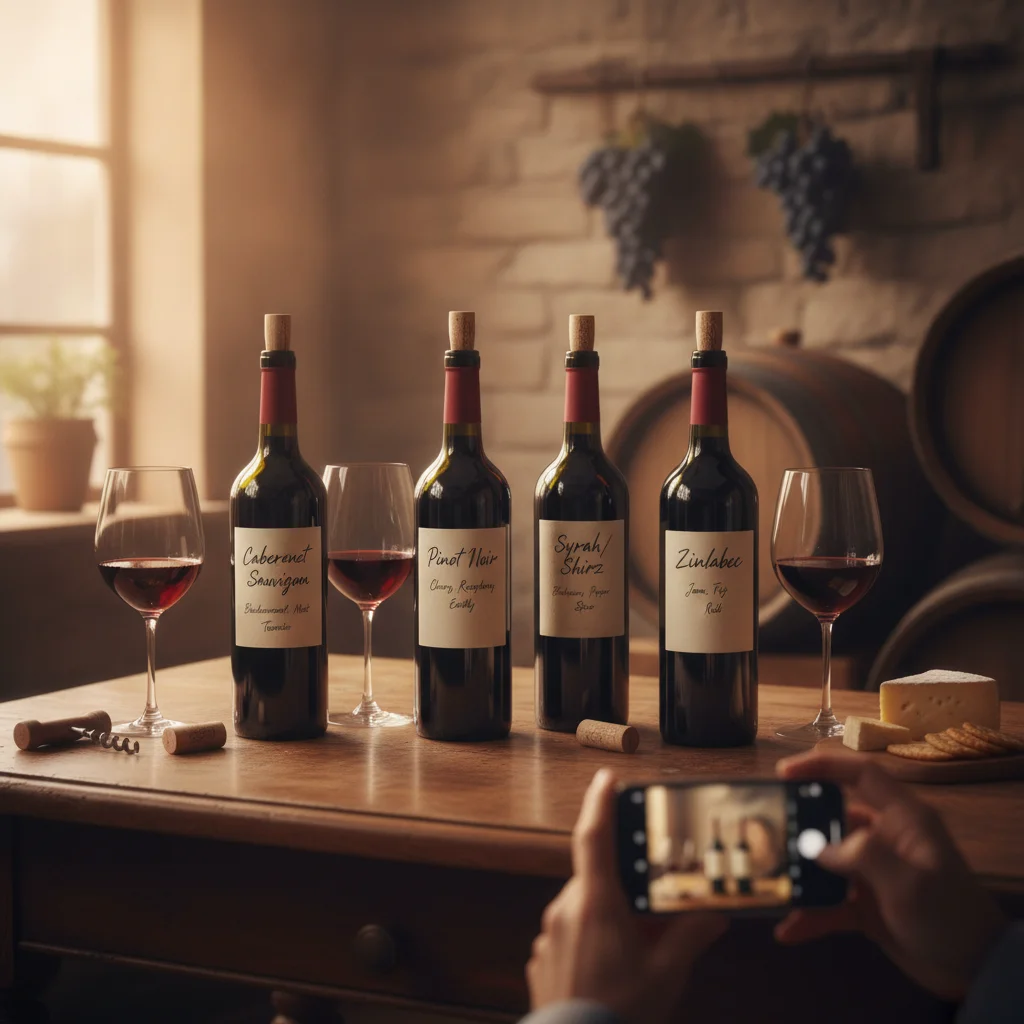
Definition: Red wine varietals are wines identified primarily by the grape variety used to make them. Although people often use “varietal” and “variety” interchangeably, a grape is technically a variety, while a wine labeled with that grape’s name is a varietal wine.
Try the wine identifier on iPhone to scan a label and save the bottle.
What Are Red Wine Varietals?
Red wine varietals are wines named for the principal red grape used in their production. Cabernet Sauvignon, Merlot and Pinot Noir are familiar examples. A bottle may contain small portions of other grapes depending on local labeling rules, so a varietal wine is not always made from only one variety.
DiVino, also called the Wine Identifier App, is an iPhone wine scanner and cellar tracker that helps beginners connect a bottle label with its grape, region, style and tasting information. Scanning a label can be especially useful when the grape is printed in small type or when the wine is labeled by place instead of variety.
Grape variety is only a starting point. Ripeness, climate, soil, fermentation, oak aging and bottle age all affect flavor. Use varietal descriptions as practical expectations rather than fixed promises.
Most Common Red Wine Varietals
- Cabernet Sauvignon: Usually full-bodied with blackcurrant, blackberry, cedar and firm tannins. It often benefits from food or time in the bottle.
- Merlot: Commonly shows plum, black cherry, cocoa and softer tannins than Cabernet Sauvignon, although structure varies by region.
- Pinot Noir: Often lighter in color and body, with cherry, raspberry, earth and mushroom notes. It usually has noticeable acidity and relatively gentle tannins.
- Syrah or Shiraz: Two names for the same grape. Typical notes include blackberry, plum, black pepper, smoke and savory spice; Shiraz styles are often associated with riper fruit.
- Malbec: Known for dark fruit, violet, cocoa and moderate to firm tannins. Argentina is strongly associated with modern Malbec.
- Grenache or Garnacha: Often generous in alcohol and red-fruit flavor, with strawberry, raspberry, herbs and white pepper.
- Tempranillo: A major Spanish grape with cherry, plum, leather and tobacco notes, particularly when aged in oak.
- Sangiovese: The principal grape in many Tuscan wines, commonly showing sour cherry, herbs, tomato leaf and refreshing acidity.
- Zinfandel or Primitivo: Often rich and ripe, with blackberry, raspberry, pepper and baking spice.
How Red Grapes Differ in Taste
Four useful traits can help beginners compare red wines: body, acidity, tannin and fruit profile. Body describes how heavy or light the wine feels. Acidity creates freshness, while tannin produces a drying sensation on the gums and tongue.
Pinot Noir is commonly light to medium-bodied, high in acidity and relatively low in tannin. Cabernet Sauvignon is usually fuller, more tannic and centered on black fruit. Merlot tends to feel rounder, while Syrah can combine dark fruit with pepper and savory aromas.
Fruit descriptions do not mean fruit has been added. Fermentation and aroma compounds can make wine remind the drinker of cherry, plum or blackberry. Earth, herbs, leather, vanilla and smoke may come from the grape, fermentation, aging or oak.
Why Some Labels Do Not Show the Grape
Many New World labels from countries such as the United States, Australia, Chile and Argentina feature the grape name prominently. Traditional European labels often lead with a protected place name because local appellation rules define which grapes may be used.
For example, red Burgundy is generally associated with Pinot Noir, while red wines from Chianti are based primarily on Sangiovese. Rioja commonly relies on Tempranillo, sometimes blended with other permitted grapes. Bordeaux reds are typically blends involving Cabernet Sauvignon, Merlot, Cabernet Franc and other authorized varieties.
A label scan can help translate a regional name into likely grapes, but producers and vintages differ. Check the producer’s technical information when an exact blend matters.
Using Label Scanning to Learn Wine
Scanning bottles turns grape study into a record of wines you have actually tasted. With DiVino on iPhone, users can identify a label, review wine details, add the bottle to a cellar and record tasting notes. Menu scanning can also help when choosing among unfamiliar names at a restaurant.
- Scan the front label: Keep the bottle steady and make the producer, wine name and vintage readable.
- Check the identification: Confirm the producer and vintage because similar labels may represent different wines.
- Find the grape or blend: Note whether the label names a variety or uses a regional designation.
- Taste by structure: Record body, acidity, tannin, fruit and any oak-related flavors.
- Save the result: Compare your notes across several examples of the same grape.
DiVino is iPhone only. Android users can use AI Lens for visual label search, then verify the result against the bottle or producer information.
Choosing a Varietal for Food and Preference
Start with the characteristics you already enjoy. For lighter body and bright acidity, try Pinot Noir or a lighter Grenache. For softer dark fruit, consider Merlot or Malbec. Cabernet Sauvignon, Syrah and structured Tempranillo are useful choices when you want more tannin and intensity.
Acidic reds such as Sangiovese work well with tomato-based dishes. Pinot Noir can suit mushrooms, salmon and roast poultry. Cabernet Sauvignon pairs naturally with rich beef dishes because protein and fat can soften the perception of tannin. Spicy, fruit-forward Grenache or Zinfandel can complement barbecue, although very high alcohol may make hot spices feel stronger.
Serve most reds slightly cooler than a warm room. Delicate wines may be ready soon after opening, while young tannic reds can change with air. Drinking windows are estimates, so storage conditions and personal preference remain important.
Frequently asked
What is the difference between a grape variety and a varietal?
A variety is the type of grape, such as Merlot. A varietal is a wine identified or labeled by its principal grape variety.
Which red wine varietal is best for beginners?
Merlot, Pinot Noir and fruit-forward Malbec are common starting points because they can be approachable. The best choice depends on whether you prefer light, fresh wines or richer, more tannic styles.
Which red wine grapes have the least tannin?
Pinot Noir, Gamay and many Grenache-based wines are often relatively low in tannin. Production methods and growing conditions can still change the final structure.
Are Syrah and Shiraz the same grape?
Yes, Syrah and Shiraz are names for the same grape. The label name can also suggest a stylistic tradition, but it does not guarantee a specific flavor profile.
Why does a European wine label list a region instead of a grape?
Many European appellations identify wines by geographic origin, with permitted grapes set by local rules. Knowing the region can therefore indicate the likely variety or blend.
Can a wine label scanner identify the grape?
A scanner can match the bottle and provide grape or regional information when available. Always confirm the producer and vintage, especially for blends or similar labels.
Is DiVino available on Android?
DiVino is available for iPhone only. Android users may use AI Lens for visual wine-label searches.
Scan labels and track your cellar
Use Wine Identifier App by DiVino on iPhone to identify bottles, save notes, and organize your cellar. Drink responsibly and follow local alcohol laws.
Get Wine Identifier App