Wine Serving Temperature Guide


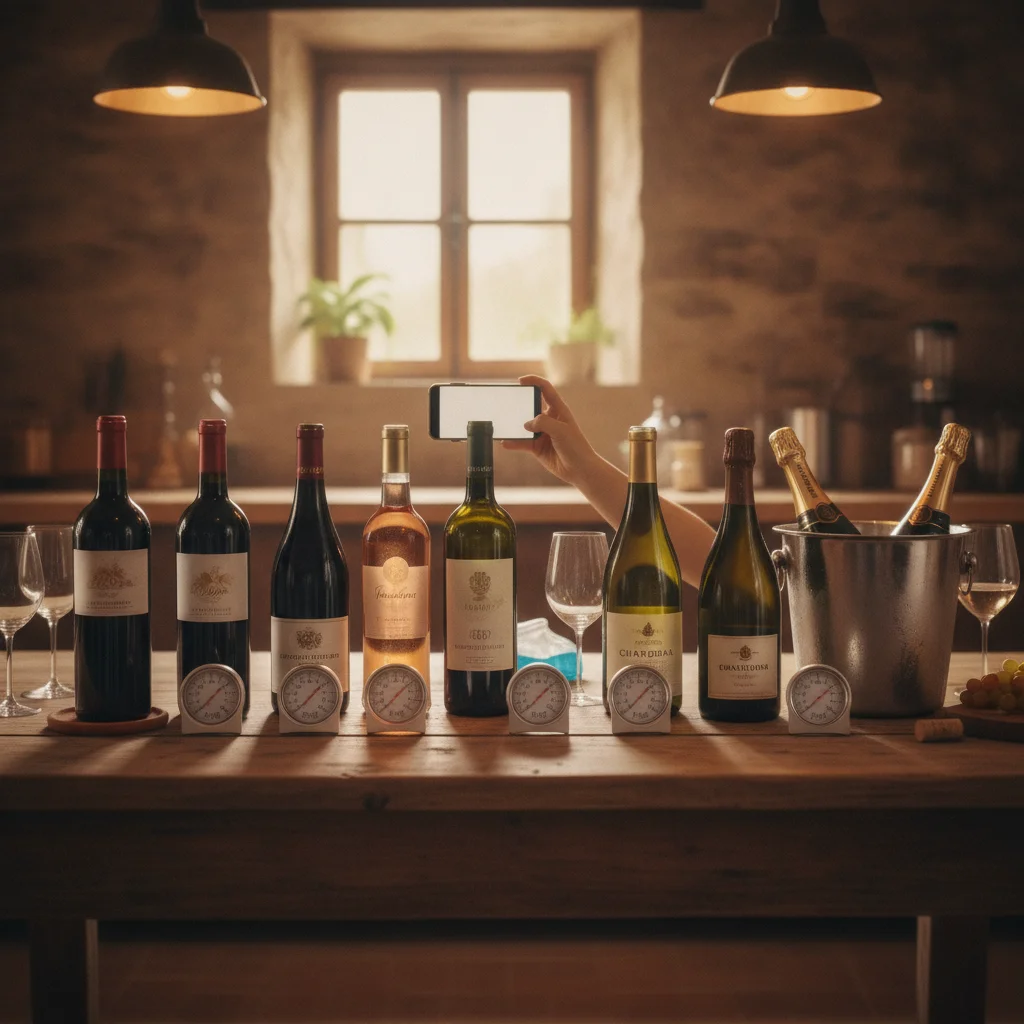
Definition: Wine serving temperature is the temperature of a wine when it is poured and consumed. It affects aroma, flavor, acidity, sweetness, tannin and the perception of alcohol.
Try the wine serving temperature guide app on iPhone to scan a label and save the bottle.
What wine serving temperature means
Wine serving temperature is the temperature at which wine is poured and enjoyed. Temperature changes how strongly you perceive its aromas, acidity, sweetness, tannin, fruit and alcohol. Wine that is too cold may seem closed or sharp, while wine that is too warm can taste soft, heavy or overly alcoholic.
The right temperature depends more on wine style than color alone. A delicate Pinot Noir generally benefits from more chilling than a powerful Cabernet Sauvignon, while an oaked Chardonnay is usually served warmer than a crisp Sauvignon Blanc.
DiVino, also called the Wine Identifier App, is an iPhone wine scanner and cellar tracker that helps identify a bottle and organize details such as style, pairing and drinking window. Once you know the wine, use the style ranges below as a practical serving guide rather than treating one exact degree as mandatory.
Wine serving temperature chart
These ranges are useful starting points for everyday bottles. Individual wines may show better a few degrees warmer or cooler depending on their body, age, sweetness and structure.
| Wine style | Temperature |
|---|---|
| Sparkling wine | 38 to 45°F, 3 to 7°C |
| Light, crisp white wine | 44 to 50°F, 7 to 10°C |
| Full-bodied white wine | 50 to 55°F, 10 to 13°C |
| Rosé wine | 44 to 52°F, 7 to 11°C |
| Light-bodied red wine | 54 to 60°F, 12 to 16°C |
| Medium or full-bodied red wine | 60 to 65°F, 16 to 18°C |
| Sweet and dessert wine | 43 to 55°F, 6 to 13°C |
When uncertain, serve the wine slightly cooler. It will warm naturally in the bottle and glass, giving you a chance to notice how its aromas and texture change.
Best temperatures for red wine
The familiar instruction to serve red wine at room temperature can be misleading. In a warm kitchen or living room, red wine may reach 70°F or more, which can make alcohol more noticeable and fruit less defined.
- Light reds: Serve Pinot Noir, Gamay, Frappato and similar light-bodied reds around 54 to 60°F. A short chill can emphasize freshness and bright fruit.
- Medium-bodied reds: Serve many Merlot, Sangiovese, Grenache and Tempranillo wines around 58 to 63°F.
- Full-bodied reds: Serve Cabernet Sauvignon, Syrah and structured red blends around 60 to 65°F. Avoid making them refrigerator-cold because low temperatures may increase the sensation of tannin.
For a weeknight bottle stored at room temperature, place it in the refrigerator for about 20 to 30 minutes before opening. If it becomes too cold, pour a glass and wait several minutes.
Best temperatures for white, rosé and sparkling wine
Not every white wine should be served directly from a very cold refrigerator. Strong chilling is helpful for refreshment, but it can temporarily hide aroma, texture and oak character.
- Crisp whites: Sauvignon Blanc, Pinot Grigio, Albariño and dry Riesling generally show well at 44 to 50°F.
- Full-bodied whites: Chardonnay, white Rhône blends and textured barrel-aged whites are often better at 50 to 55°F.
- Rosé: Dry rosé is refreshing at 44 to 52°F. Lighter examples can begin near the cooler end.
- Sparkling wine: Champagne, Cava, Prosecco and other sparkling wines are commonly served at 38 to 45°F. Chilling also helps control foaming when the bottle is opened.
If a white wine tastes muted straight from the refrigerator, leave it on the table for 10 minutes or warm the bowl of the glass briefly with your hands.
How to chill wine quickly on a weeknight
You do not need a wine refrigerator to reach a useful serving temperature. Choose a method based on how soon dinner will be ready.
- Refrigerator: Allow roughly two hours for a room-temperature white or rosé and 20 to 30 minutes for a red that only needs a light chill.
- Freezer: A bottle can cool noticeably in 20 to 30 minutes. Set a timer because forgotten bottles can freeze, leak or push out the cork.
- Ice-water bath: Surround the bottle with both ice and water. Water fills the gaps around the bottle and cools it more effectively than ice alone. Rotate the bottle occasionally for faster results.
- Individual pour: If only one glass is needed, chill that pour briefly in the refrigerator rather than waiting for the entire bottle.
A kitchen thermometer can provide precision, but it is optional. The bottle should feel cool for red wine and distinctly cold for white, rosé or sparkling wine.
How to fix wine that is too warm or too cold
If wine is too warm, return the bottle to the refrigerator or place it in an ice-water bath for several minutes. Avoid adding ordinary ice unless dilution is acceptable. Reusable chilling cubes can cool a glass without adding water, although they may affect how the wine moves in the glass.
If wine is too cold, patience is usually the best solution. Pour a small amount to create more surface area, then wait. Holding the bowl rather than the stem will warm the wine faster. As it warms, smell and taste it again to find the point where its aroma and balance become clearer.
Serving temperature is not a pass-or-fail rule. Food, weather and personal preference matter. On a hot evening, a lightly chilled red may be more enjoyable; with a rich meal, a full-bodied white may benefit from being served slightly warmer.
Frequently asked
What is the ideal serving temperature for red wine?
Serve most red wines between 54 and 65°F, or 12 and 18°C. Light reds belong near the cooler end, while structured, full-bodied reds suit the warmer end.
Should red wine be served at room temperature?
Only if the room is relatively cool. In many modern homes, room temperature is warmer than the preferred range for red wine.
What temperature should white wine be served at?
Serve crisp whites around 44 to 50°F and fuller whites around 50 to 55°F. Very cold white wine may need a few minutes in the glass before its aroma becomes expressive.
How long should I chill wine in the refrigerator?
A room-temperature white or rosé may need about two hours, while a red often needs only 20 to 30 minutes. Timing varies with bottle temperature and refrigerator settings.
Can I put wine in the freezer to chill it?
Yes, for a short period with a timer. Leaving wine too long can cause freezing, leakage or pressure against the closure.
What is the best serving temperature for Champagne?
Serve Champagne and most sparkling wine around 38 to 45°F, or 3 to 7°C. More complex sparkling wines can be allowed to warm slightly in the glass.
Why does wine taste different as it warms?
Warmer wine releases aromas more readily and can make sweetness, body and alcohol more noticeable. Cooler temperatures emphasize freshness but may suppress aroma and increase the perception of tannin.
Scan labels and track your cellar
Use Wine Identifier App by DiVino on iPhone to identify bottles, save notes, and organize your cellar. Drink responsibly and follow local alcohol laws.
Get Wine Identifier App