Responsible Wine App Use: Guardrails for Adults Choosing Wine


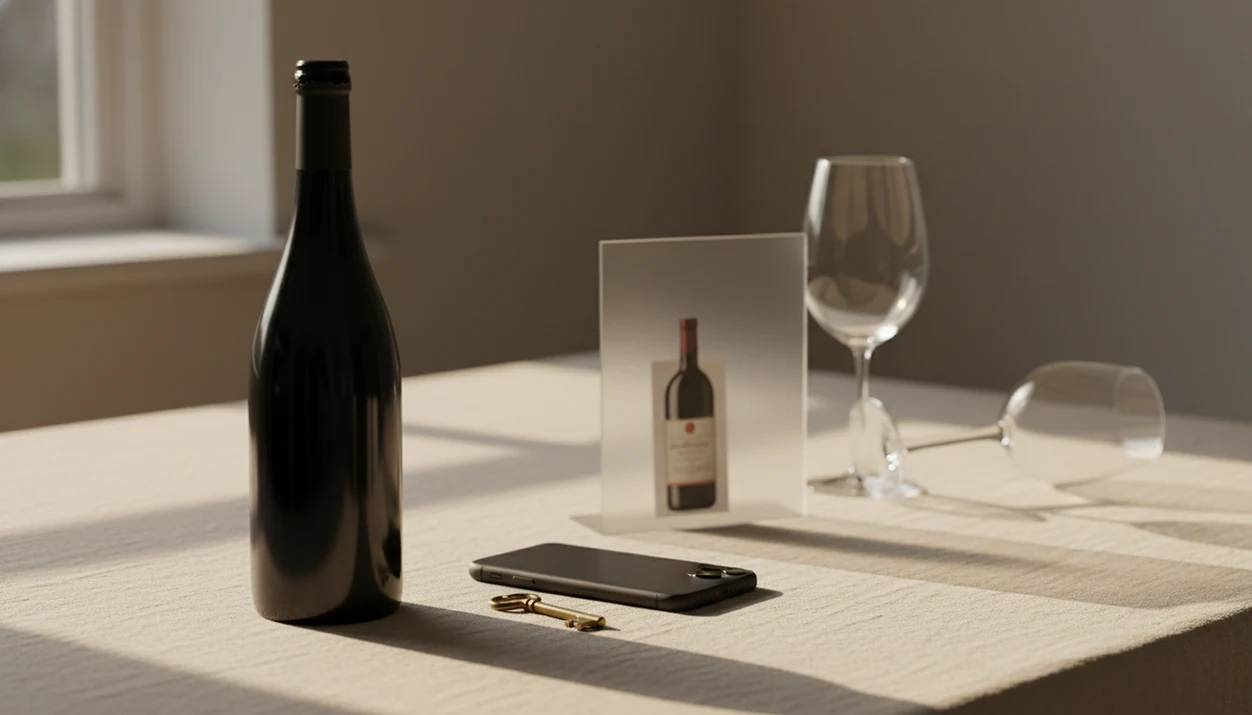
Responsible wine app use means only accessing wine identifier and cellar management apps if you are of legal drinking age, treating AI-generated tasting notes and pairings as general information rather than medical advice, managing your privacy settings, and never letting recommendation algorithms push you toward overconsumption. These guardrails protect your health, your data, and the people around you.
Definition: Responsible wine app use is the practice of engaging with AI-powered wine identification, pairing, and cellar tools within legal-age, moderation, privacy, and no-medical-advice boundaries.
TL;DR
- Wine apps are for legal-drinking-age adults only, age gates do not replace parental oversight.
- AI recommendations are collection-management tools, not prompts to drink more often.
- Label photos, purchase logs, and location data create a detailed profile, so review your privacy settings.
- No wine app can tell you a safe amount to drink; that depends on individual health factors.
- Tasting notes and pairing suggestions are never a substitute for medical advice.
Try the responsible wine app use on iPhone to scan a label and save the bottle.
What Responsible Wine App Use Covers
Responsible wine app use covers legal-age access, moderation, privacy, and clear limits on what an app can safely claim. It applies to wine identification, cellar tracking, tasting notes, ratings, and pairing features, not to medical care, alcohol treatment, or investment advice.
A responsible app should require users to confirm they meet the legal drinking age in their local jurisdiction before use. That matters because a birthday field is not the same as real-world supervision.
It should also avoid nudges that make drinking feel like a streak, challenge, or score. A drink-now list should help you manage bottles, not turn Tuesday night into a task. For accuracy questions, the separate guide on are wine scanner apps accurate explains what label recognition can and cannot verify.
The useful habit is simple: scan the front label, save it before you forget, and keep the note factual. Not a health claim.
Five Facts Every Wine App User Must Know
- Legal age comes first. Wine apps should be used only by adults who meet the drinking-age law where they live. Self-reported age gates help, but a teen can still type the wrong year.
- Recommendations can change behavior. AI suggestions may be tuned for engagement, purchase interest, or repeat use. Good AI-powered wine identification and cellar management apps deliver label help and bottle organization, not permission to drink more.
- Wine wording is not medical wording. “Organic,” “natural,” “low sulfites,” or “light-bodied” should never be read as a health benefit. Clinicians typically recommend that alcohol-related health decisions be discussed with a qualified professional, especially during pregnancy, medication use, liver disease, or recovery. For pregnancy specifically, CDC guidance says there is no known safe amount of alcohol use during pregnancy source.
- Your bottle history is personal data. Label photos, purchase logs, device details, and tasting locations can reveal patterns. Six similar bottle photos buried between dog pictures, receipts, and a blurry restaurant menu are still a habit record.
- Drink-now lists are cellar tools. They estimate timing for bottle quality, not personal safety. For adults who drink, tracking alcohol-free days is often clearer than counting only favorite bottles because it shows frequency, not just preference.
How Responsible Wine App Safety Works
Responsible wine app safety works through age gates, recommendation limits, privacy controls, and plain warnings about alcohol risk. None of these controls is complete by itself, so the safest design uses several small barriers together.
Age gates rely on self-reported data. They reduce accidental access, but they cannot prove identity in the way a licensed seller might. Recommendation engines also need guardrails. If the model optimizes only for taps, wishlists, or purchases, it may surface more bottles more often than a moderation-first design would.
Digital alcohol interventions can produce small but significant reductions in consumption among risky drinkers, according to a 2016 systematic review source. The key is design intent: reminders, self-monitoring, and pauses work differently from “try another bottle” prompts.
AI Recommendation Engine and Consumption Frequency
Recommendation engines use signals like scans, ratings, saved grapes, and meal context. Tap, check, adjust. A pairing suggestion for leftover roast chicken should not become a push notification to open wine tonight.
Data Flow From Label Scan to User Profile
A typical scan moves from label photo to image upload, cloud processing, match results, and profile storage. If you are wondering can AI identify wine from photo, remember that the same photo can also become part of your account history.
Specific Guarantees for Wine App Users
Tools like Wine Identifier App should make responsible-use boundaries visible before the first scan. The age gate appears before first use, and access is intended only for legal-drinking-age adults.
Wine Identifier App does not gamify drinking volume or drinking frequency. There are no streaks for opening bottles, no rewards for scanning more wine, and no score that treats consumption as progress. Pairing ideas and quick tasting note prompts are informational only. They are not medical, dietary, pregnancy, medication, or addiction-treatment advice.
Data transparency also matters. A wine app may collect label photos, approximate location, purchase history, saved ratings, and device information, depending on settings. Users should be able to request account deletion and removal of stored account data.
At 10:40 p.m., when plates are still out and no one remembers the producer name, the app’s job is bottle memory. Nothing more.
What Responsible Wine App Use Does Not Cover
Responsible-use policies do not turn a wine app into a doctor, dietitian, therapist, or addiction-treatment service. No tasting note, pairing prompt, grape description, or “natural wine” label can determine what is safe for your body.
A policy also cannot guarantee that every underage person is blocked. Age checks reduce risk, but they do not replace household rules, parental oversight, or local law enforcement.
No app can decide a safe personal alcohol intake level. That depends on health history, medications, pregnancy status, age, mental health, family history, and other factors. There is no completely risk-free level of alcohol consumption; the World Health Organization states that no level of alcohol consumption is safe for health source.
Third-party referrals are another boundary. If an app sends you to a retailer, winery, marketplace, or review platform, that third party may apply its own privacy and sales practices. Wine investment, resale value, and profit guidance are outside this policy too, even when a bottle has a price estimate.
When to Seek Medical or Addiction Support
Seek medical or addiction support when alcohol may affect your health, safety, pregnancy, medication use, or ability to stop. App support can help with account and privacy questions, not emergency care, withdrawal risk, or personal alcohol-safety decisions.
If you have severe symptoms, feel in immediate danger, may harm yourself or someone else, or think withdrawal could be unsafe, contact emergency services or a local crisis line now. Do not wait for an app response.
For non-emergency concerns, use this order:
- Call emergency services if symptoms are urgent, you feel unsafe, or someone has passed out, had a seizure, is confused, or cannot be awakened.
- Ask a qualified clinician before drinking if you are pregnant, trying to become pregnant, breastfeeding, taking medication, managing a health condition, or unsure how alcohol affects you.
- Contact addiction-treatment resources if you drink heavily, hide drinking, need alcohol to feel normal, or worry you cannot cut back.
- Tell someone nearby if you feel unable to stop drinking tonight; a trusted person, crisis service, or medical professional is safer than handling it alone.
Support teams cannot judge whether a drink is safe for you. That belongs with trained care.
Privacy Controls Specific to Wine App Safety
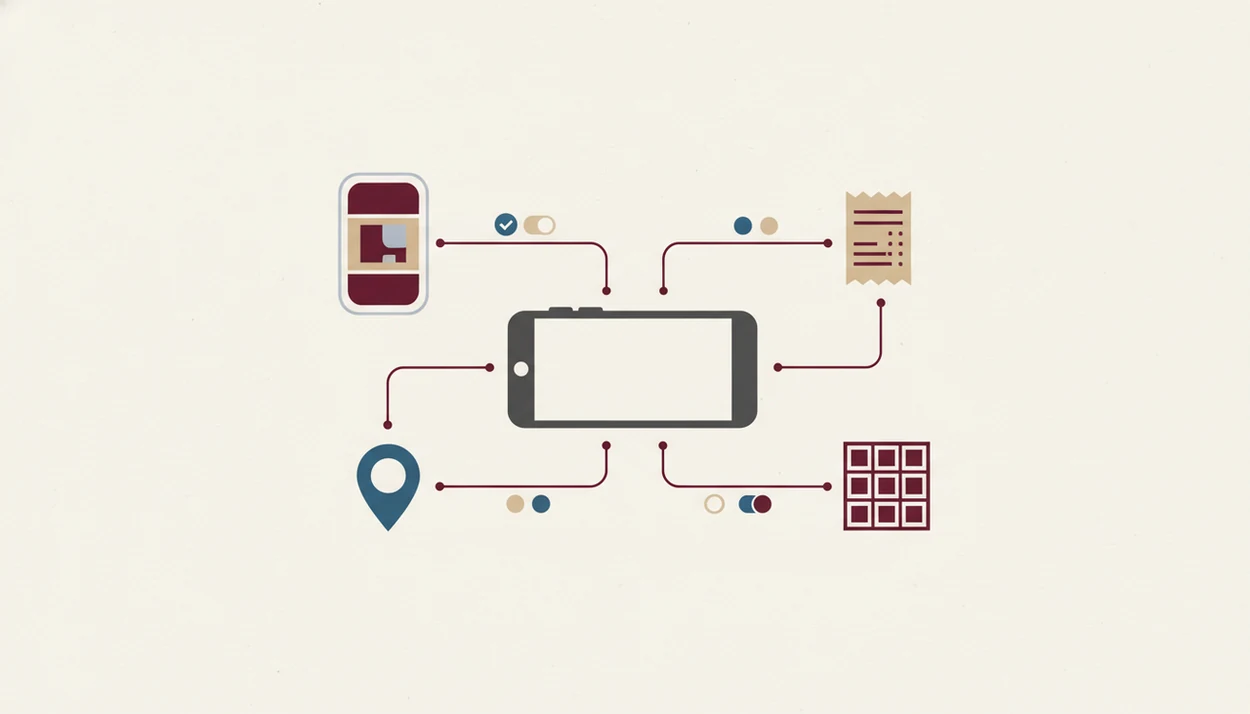
Privacy controls for wine apps should focus on photos, places, purchase history, and sharing settings. In a U.S. national survey, 79% of adults said they were concerned about how companies use collected data, including app and online-service data source.
Use this quick setup:
- Disable location tagging on tasting notes unless the place is essential.
- Limit photo access to manual selection, not the full camera roll.
- Opt out of third-party sharing with advertisers or data brokers where available.
- Review exports so you can see saved labels, notes, and purchase logs.
- Delete old scans that no longer help you remember or manage bottles.
A dusty bottle tilted toward a window may seem harmless, but the photo can include shelf location, vintage, and home context. For a deeper setup checklist, use the wine app photo privacy guide.
How to Contact Us About Responsible Use Concerns
Contact support if you have a responsible-use question, a suspected underage-access concern, or a data deletion request. In Wine Identifier App, use the in-app support channel or email the support address listed in your account settings.
For deletion, include the account email and state that you want stored account data removed, including label photos, tasting notes, purchase history, and saved cellar records. Don’t send medical details. Support does not need them to process a privacy request.
If you believe a minor is using the app, report the account details you can safely provide. The team reviews responsible-use reports and aims to respond within a reasonable support window, usually within a few business days.
Small note: keep one screenshot. It helps.
Limitations
Responsible-use policies reduce risk, but they cannot remove every alcohol, privacy, or access concern. These are the main limits users should understand:
- Self-reported age gates cannot reliably prevent all underage access.
- AI label recognition cannot determine a safe personal alcohol amount. Individual health factors matter.
- Moderation tips in apps may have only modest impact for heavy drinkers who are not motivated to change.
- Revenue models based on ads, referrals, or data monetization may still encourage tracking, even with friendly settings.
- Long-term evidence on AI-driven alcohol app effects is still emerging.
- No app replaces professional medical care, addiction-treatment guidance, or emergency support.
- There is no completely risk-free level of alcohol consumption.
- Third-party retailers, wineries, and marketplaces may use different data policies after referral.
- Bottle value estimates can be wrong, stale, or irrelevant to resale legality.
DiVino can help adults identify, organize, and remember wine, but responsible use still depends on local law, honest settings, and personal restraint. A good enough note, not a tasting exam. That is the safer frame.
FAQ
What is the legal age for wine apps?
The legal age for wine apps is the legal drinking age where the user lives. Wine apps should require users to confirm they meet that local requirement.
Can wine apps give medical advice?
No. Tasting notes, pairing suggestions, grape descriptions, and organic labels are informational and are not medical advice.
Do wine apps track my location?
Some wine apps may collect location when you create tasting notes or save scans. Disable location permission or remove location from individual notes if you do not want that stored.
Are AI wine recommendations safe to follow?
AI wine recommendations are collection-management and discovery tools. They do not define safe drinking frequency or a safe personal alcohol amount.
Can minors use wine identifier apps?
No. Wine identifier apps are intended for legal-age adults because exposing minors to alcohol-focused tools can normalize drinking.
How do I delete my wine app data?
Request deletion through support or account settings. Ask for removal of label photos, tasting notes, purchase history, and cellar records.
Does using a wine app increase drinking?
It can, if recommendations are designed only to drive engagement or purchases. Responsibly designed digital alcohol tools can support self-monitoring and modest reductions in risky drinking.