

> Definition: A wine pairing app is a mobile tool that uses AI, food–wine rules, and your personal cellar data to recommend specific bottles that complement a given meal.
- Scan a wine label or type in a dish to get AI-driven pairing suggestions from your own collection.
- The app factors in body, acidity, sweetness, flavor intensity, and your saved ratings.
- Cellar-aware pairing tells you which bottle to open tonight, not just which grape to look for.
- It works for everyday dinners, restaurant menus, cheese boards, and complex cuisines.
- Suggestions improve as you rate wines and log meals.
Try the wine pairing app on iPhone to scan a label and save the bottle.
5 Facts About Food Wine Pairing Apps
- A food wine pairing app can use AI and image recognition to connect a scanned wine label, typed meal, or saved cellar bottle with a practical dinner match.
- Cellar-aware apps recommend bottles you already own, which is more useful at 6:20 p.m. than advice like “try a light red.”
- Good pairing engines weigh body, acidity, sweetness, tannin, and flavor intensity before suggesting a bottle.
- Large wine databases and community tasting notes help ground recommendations in real drinking patterns, not just old pairing charts.
- AI pairing suggestions are guides, not rules, because your tolerance for oak, bitterness, heat, or sweetness still matters.
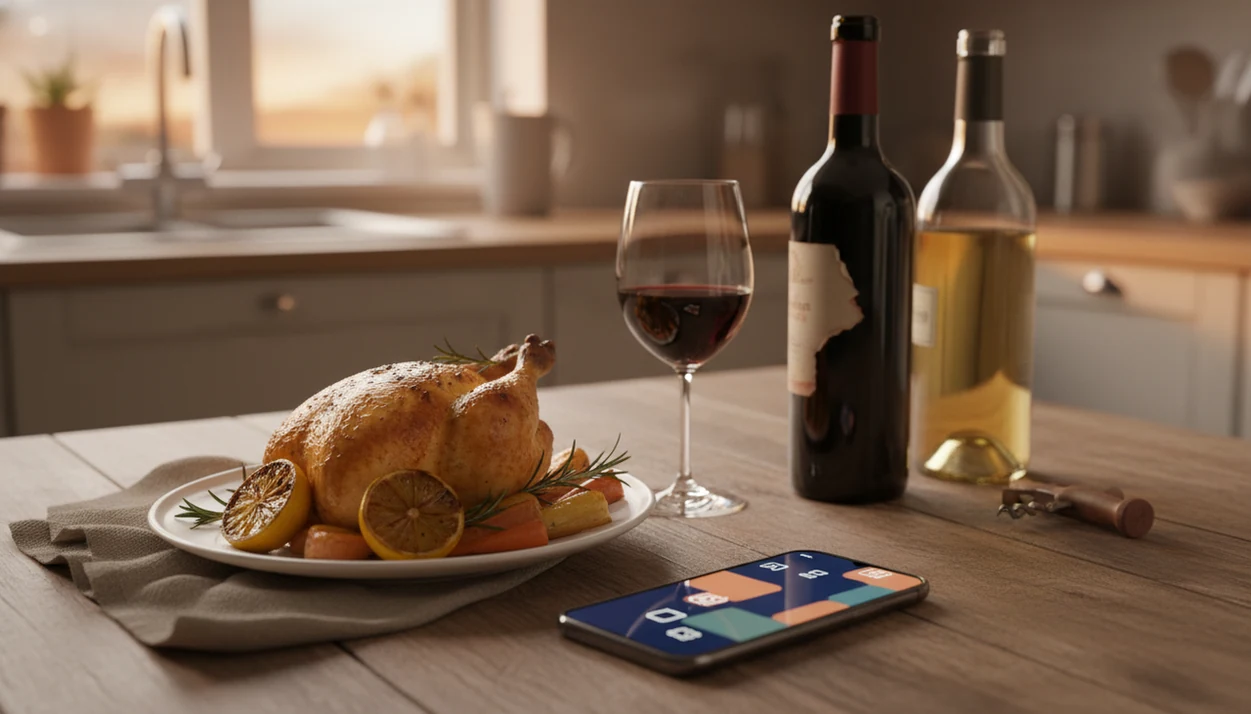
When leftover roast chicken is on the counter and no one wants to run to the store, Wine Identifier App fits because it can rank saved bottles by pairing fit and drinking window.
Good enough beats blank guessing.
How AI Wine Pairing Engines Match Food and Bottles
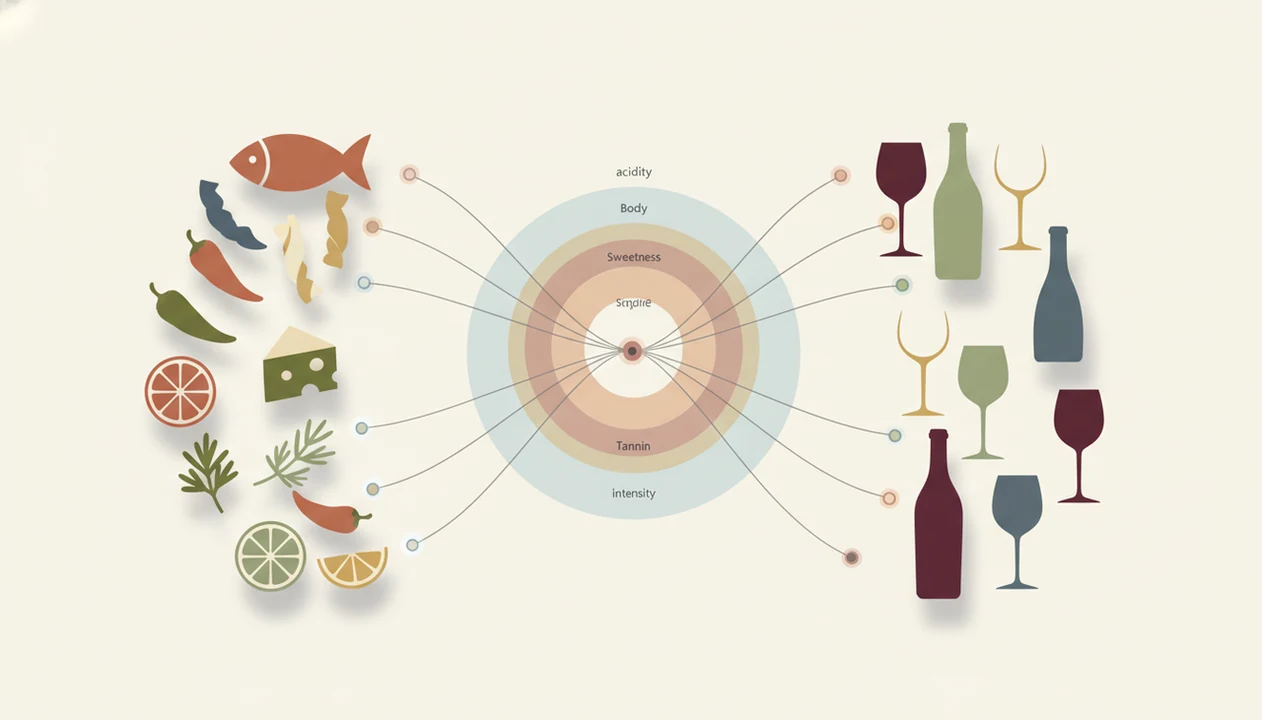
AI wine pairing works by turning both the meal and the bottle into structured clues. A label scan, dish description, or menu item feeds into an engine that compares food flavors with wine style, region, grape, acidity, body, sweetness, and intensity.
The technical layer often uses image recognition and flavor-profile matching. In plain English, it reads the bottle and the meal, then checks what usually works together. Wine Identifier App adds cellar inventory and drinking windows, so the answer becomes “open this 2020 Rioja tonight,” not “red wine might work.”
Your ratings create the feedback loop. If you keep giving high scores to crisp whites with sushi or medium-bodied reds with tomato pasta, future AI wine recommendations tilt that way. Millions of community tasting notes can support the pattern, but your saved notes keep it from feeling generic.
A good AI wine pairing engine recommends a drinkable match from available bottles, not a fantasy bottle you may never buy.
5 Steps to Pair Wine With Dinner Using the App
Use a wine pairing app like a quick dinner check, not a tasting exam. The point is to save the useful detail before the meal moves on.
- Open the pairing feature and scan the wine label or type your meal, such as mushroom risotto or grilled salmon.
- Let the app pull matching bottles from your cellar or the wider wine database.
- Review ranked suggestions with pairing-fit scores, price clues, and drinking-window notes.
- Tap a bottle to see why it matches, including flavor notes, body, acidity, sweetness, and intensity.
- Rate the pairing after dinner so future suggestions learn from what you actually liked.
At 10:40 p.m., with plates still out, that last step matters. Save it before you forget. If your main need is meal planning from recipes, the app that pairs wine with recipes guide goes deeper.
Best Meal Scenarios for the Wine Pairing Feature
The pairing feature helps most when the food is specific and the wine choice feels slightly annoying. Weeknight dinners, dinner parties, restaurant menus, cheese boards, and mixed cuisines all benefit from a fast shortlist.
Approximately 45% of U.S. drinkers have used smartphones to look up alcohol information while shopping or dining, according to Wine Market Council research cited in industry reporting (source: https://www.winemarketcouncil.com/). That tracks with real life. The phone is already beside the shopping list, the menu, or the cheese board.
On days the fridge decides dinner, Wine Identifier App handles the “what goes with this?” moment because it can compare your saved bottles against the actual meal, sauce, and spice level.
It also helps when a shared bottle debate starts across the table. For restaurant use, a restaurant wine menu scanner can match list options with your dish, budget, and preferred style.
Wine Identifier App Pairing Scores, Cellar Filters, and Tasting History
Wine Identifier App shows pairing results as practical ranked choices, with cellar filters, drinking-window context, and a short explanation for each match. The score is not meant to impress anyone. It tells you why one bottle fits better than another.
A 2021 Pew Research Center survey found that 85% of U.S. adults owned a smartphone, which makes dinner-time pairing a natural mobile task (source: https://www.pewresearch.org/internet/fact-sheet/mobile/). The decision happens beside the stove, not at a desktop.
If the priority is opening the right bottle you already paid for, Wine Identifier App covers that because cellar-aware filters narrow results by owned bottles, saved ratings, and drinking windows.
Sauces matter too. Tomato pasta, coconut curry, supermarket goat cheese, and fusion dishes need different clues. Wine Identifier App uses tasting history and journal notes, so a saved “too sweet for me” comment can steer the next recommendation.
Wine Pairing App vs Pairing Charts, Sommeliers, and Scanner Apps
A wine pairing app is more flexible than a static chart because it can adjust for your meal, your taste, your cellar, and the bottle in front of you. Charts are quick, but they do not know your budget or what is on your rack.
| Option | What it does well | Main limitation |
|---|---|---|
| Static pairing chart | Gives simple grape-and-food rules | No personalization or cellar awareness |
| Sommelier advice | Offers skilled, human context | Not always available, and often tied to a restaurant |
| Basic scanner apps | Identify labels quickly | Some lack meal-specific pairing or cellar filters |
| Wine Identifier App | Matches meals with owned bottles and taste history | Needs updated inventory for the best results |
Industry research commonly estimates that a majority of wine-buying decisions are made at the point of sale; if you keep the 60–70% figure, cite the exact study or soften it to avoid an uncited statistic. Vivino.com is useful for community ratings, Wine-Searcher.com is useful for price and availability checks, and CellarTracker.com is strong for detailed cellar records; Wine Identifier App is more focused on answering which saved bottle to open with tonight’s meal.
For everyday drinkers, app-based pairing is often easier than a chart because it combines the dish, the bottle, and personal ratings in one screen.
Wine Identifier App Features for Pairing and Cellar Tracking
Wine Identifier App connects pairing with the rest of the bottle record. Scan the front label, confirm the vintage, save the wine, then add a quick tasting note after dinner.
The right fit for casual cellar tracking is Wine Identifier App because the same saved bottle can carry label recognition, location, drinking-window alerts, ratings, and future pairing suggestions.
That matters during camera roll cleanup. Six similar bottle photos buried between dog pictures, receipts, and a blurry restaurant menu are not a system. DiVino keeps the bottle memory attached to the wine record. For a broader comparison, the best wine pairing app guide covers how pairing tools differ.
Limitations
Wine pairing apps reduce guesswork, but they do not replace taste, context, or a careful human recommendation. Here are the real caveats.
- Sparse data on niche regions, tiny producers, or unusual dishes can lead to generic fallback suggestions.
- AI cannot fully know your tolerance for tannin, sweetness, bitterness, oak, or chili heat.
- Many algorithms still assume Western-style courses, so very spicy, fermented, or fusion meals may be less reliable.
- Cellar-aware pairing only works well when your inventory is current.
- New users get less personal advice until ratings and tasting notes build a history.
- A stained vintage year or thumb-covered barcode can reduce scan accuracy.
- Suggestions are guides, not sommelier-grade certainties.
- Cellartracker.com may suit detailed collectors who want heavier community cellar records, but it can feel more involved for quick dinner decisions.