Benefits Of Food Wine Pairing Apps For Better Meals At Home And Out


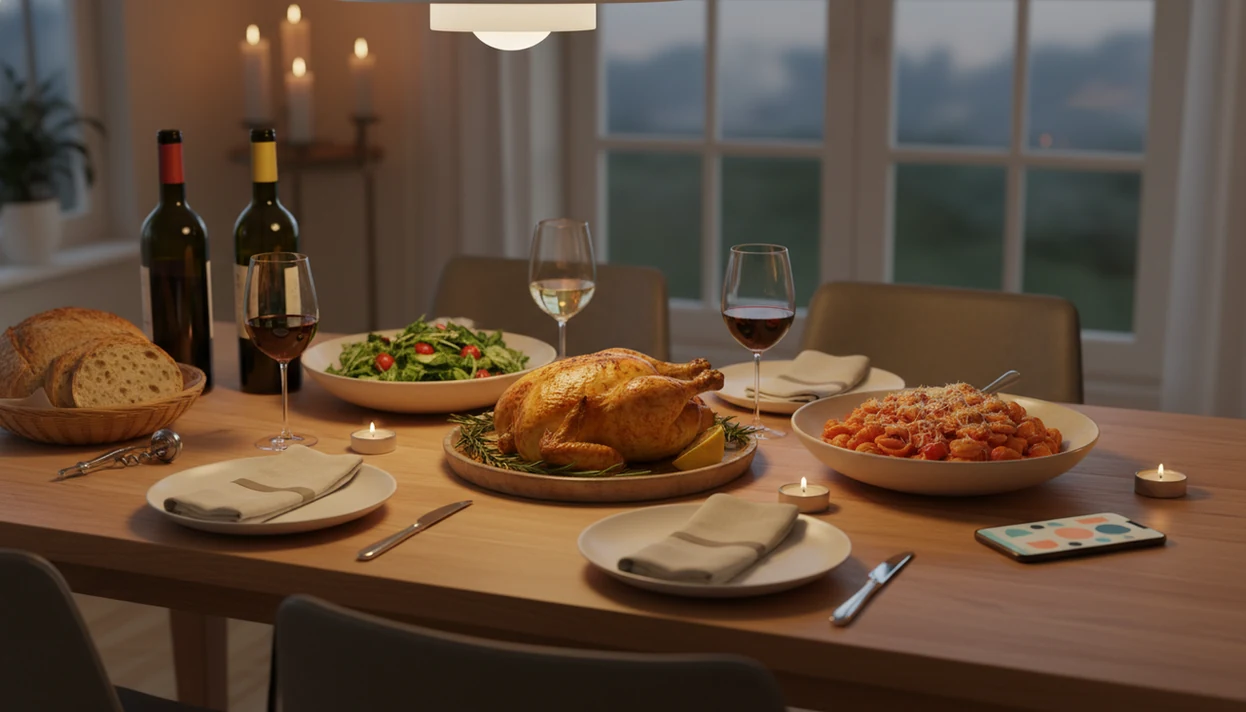
The benefits of food wine pairing apps include faster wine choices, less guesswork at the table, and better-tasting meals at home, at dinner parties, or in restaurants. These apps match wines to dishes using practical pairing signals like body, acidity, tannin, sweetness, and flavor intensity, so the glass supports the plate instead of fighting it.
Definition: A food wine pairing app is a mobile tool that analyzes a dish's flavor profile, cooking method, and ingredients, then recommends wines that complement the meal using rule-based or AI-driven matching logic.
TL;DR
- Pairing apps apply professional sommelier logic, including body, acidity, tannin, sweetness, and intensity, to suggest wines that genuinely enhance your food.
- AI-powered apps can scan a wine label or a menu photo and deliver instant, context-aware pairing suggestions.
- Cellar integration means the app recommends from bottles you already own, improving both meal quality and cellar turnover.
Try the benefits of food wine pairing apps app on iPhone to scan a label and save the bottle.
What A Food Wine Pairing App Actually Does
A food wine pairing app matches the traits of a dish with the traits of a wine, then explains why that match should work. It is more useful than a static chart because it can react to the actual food in front of you.
You might enter “tomato pasta,” scan a recipe, photograph a restaurant menu, or scan the front label of a bottle. The app then looks at signals such as sauce, cooking method, spice level, weight, and sweetness. On the wine side, it considers grape, region, body, acidity, tannin, oak, and likely flavor profile.
The output is usually a ranked list: try this crisp white, this lighter red, or this sparkling option. Good apps also include a quick tasting note and plain-English reasoning.
A chart says “red wine with beef.” An app can notice pepper sauce, char, fat, and your saved dislike of heavy oak.
Wine Identifier App is one example of this workflow: scan the bottle, describe or scan the dish, then compare the suggested match against your saved preferences and cellar.
That difference matters at 7:18 p.m.
How Food Wine Pairing Logic Works Behind The Scenes
Food wine pairing logic works by comparing the structure of the food with the structure of the wine. Most apps start with rule-based matching, then add AI tools for label, menu, dish, and ingredient recognition.
Sensory Science That Powers Pairing Algorithms
The basic rules are old, but still useful. Rich food usually needs enough acidity, tannin, or bubbles to feel balanced. Delicate food often works better with lighter wine. Sweet dishes need wines with enough sweetness, or the wine can taste sharp.
Sensory research also supports common pairing warnings. Sweetness in food can increase perceived bitterness and astringency in wine, while salt and fat can soften those same sensations. That is why a salty cheese can make a tannic red feel smoother.
Congruent pairings match weight, intensity, and flavor direction. Incongruent pairings create contrast. Both can work, but aligned intensity often feels safer for most tables.
AI Label And Menu Scanning For Context-Aware Matches
Modern apps add image recognition and natural language processing. In plain English, the app reads a photo or text, then turns it into pairing clues.
Tools like Wine Identifier App combine label scanning with pairing suggestions, so the app can identify the bottle before judging the match. Good AI-powered wine identification and cellar management apps deliver faster label recognition, pairing context, and bottle recall, not a guarantee that everyone at the table will like the same glass.
Five Key Benefits Of Food Wine Pairing Apps
The main food pairing benefits are speed, confidence, better flavor matches, personalization, and smarter bottle use. The value is not showing off. It is avoiding the “I liked the red one from dinner, but I have no idea what it was” problem.
- Faster choices: A pairing app narrows the shelf, list, or cellar from dozens of options to a few reasonable bottles.
- Better meal matches: Apps use congruent pairing logic, including body, acidity, sweetness, tannin, and intensity, to reduce clashes.
- Personalized recommendations: Saved ratings and notes help the app learn if you prefer crisp whites, low-tannin reds, or richer styles.
- More discovery: A good recommendation may point you toward Chenin Blanc with roast chicken or Barbera with pizza boxes still on the counter.
- Less waste: Cellar-aware suggestions help you open bottles that fit tonight’s food instead of letting them disappear behind newer purchases.
For everyday drinkers, a pairing app is often easier than searching grape-by-grape because it starts with the meal you are actually eating.
Before You Start With A Food Wine Pairing App
Before you start, gather enough detail for the app to understand both the food and the wine options. The better the inputs, the less the recommendation feels like a generic chart wearing a nicer jacket.
- Describe the dish clearly with the main ingredients, sauce, cooking method, and heat level. “Grilled salmon with miso glaze” gives the app more useful signals than “fish.”
- Prepare your wine information by keeping bottle labels, a restaurant wine list photo, or your cellar inventory ready to scan. This helps the app compare real bottles, not imaginary ones.
- Set your basic preferences for budget, sweetness, oak, tannin, and body before the first recommendation. If you dislike heavy reds or buttery whites, say so early.
- Check the app’s input options before dinner pressure starts. Some tools read menus, some scan recipes, and some work best when your bottles are already saved.
- Serve the wine thoughtfully after the match. Temperature, glassware, storage history, and bottle condition still change the final taste, even when the pairing logic is sound.
Home Cooking And Dinner Parties With A Wine Pairing App
Why use wine pairing app tools at home? They remove the blank moment between finishing dinner and staring at three bottles that all seem “probably fine.”
Start with the food. If you are making supermarket goat cheese salad, tomato pasta, or leftover roast chicken, the app can suggest a style before anyone starts guessing. If your bottles are already logged, it can also match tonight’s dish to something you own.
That is the quiet win.
For hosts, the benefit is confidence without sommelier theater. You can say, “I picked this because the acidity cuts the sauce,” and stop there. No lecture needed. Research on winery tourism and tasting-room experiences has found that guided tasting and food-pairing experiences can increase visitor satisfaction and purchase intention (Journal of Destination Marketing & Management).
The CDC reports that alcohol use remains common among U.S. adults, which makes practical serving and pairing guidance relevant for many households: CDC alcohol use data.
Food Pairing Benefits For Restaurants And Wine Programs
For restaurants, pairing apps can make wine recommendations more consistent across the floor. That matters when one server knows the cellar well and another started last Tuesday.
A pairing tool gives staff a shared starting point: dish, sauce, price range, bottle or glass, then a short reason. It can help a new server explain why a bright white fits sushi better than a heavy red, or why a lighter red can handle grilled mushrooms.
Operators also care about sales. Hospitality research has reported that pairing alcoholic beverages with menu items can increase check averages and beverage sales when recommendations are presented as dish-specific guidance rather than generic upsells: [insert hospitality study/source URL]. The practical reason is simple: guests say yes more easily when the suggestion feels connected to the dish, not random upselling.
A restaurant wine menu scanner can also support menu design, staff training, and cellar movement. If the app keeps surfacing the same slow-moving Riesling for spicy dishes, that bottle may finally leave the back shelf.
Evidence Behind Food And Wine Pairing Apps
The evidence behind food and wine pairing apps is strongest when the app uses known sensory effects, then leaves room for personal taste. The recommendation is decision support, not an objective guarantee.
Sensory studies support several rules that apps use every day: sweetness in food can make wine seem more bitter or astringent, while salt and fat can reduce the bite of tannin. Acidity, bubbles, and texture also change how rich or heavy a meal feels. Those effects are more proven than claims like “everyone will love Pinot Noir with salmon,” because preference depends on memory, culture, mood, budget, and the bottle in the glass.
Hospitality and menu-engineering research also gives pairing tools a practical reason to exist. Dish-specific beverage suggestions can make ordering easier and may improve beverage sales because the guest sees a reason, not a random push. Alcohol-use context matters only in that many adults do choose wine with meals, so clearer guidance can support more intentional choices.
A sensible app workflow is simple:
- Identify the dish structure before chasing grape names.
- Compare sweetness, bitterness, astringency, salt, fat, and intensity.
- Filter by preference, budget, and available bottles.
- Treat the result as a useful shortlist, then taste and decide.
How Cellar Management Integrates With Wine Pairing Recommendations
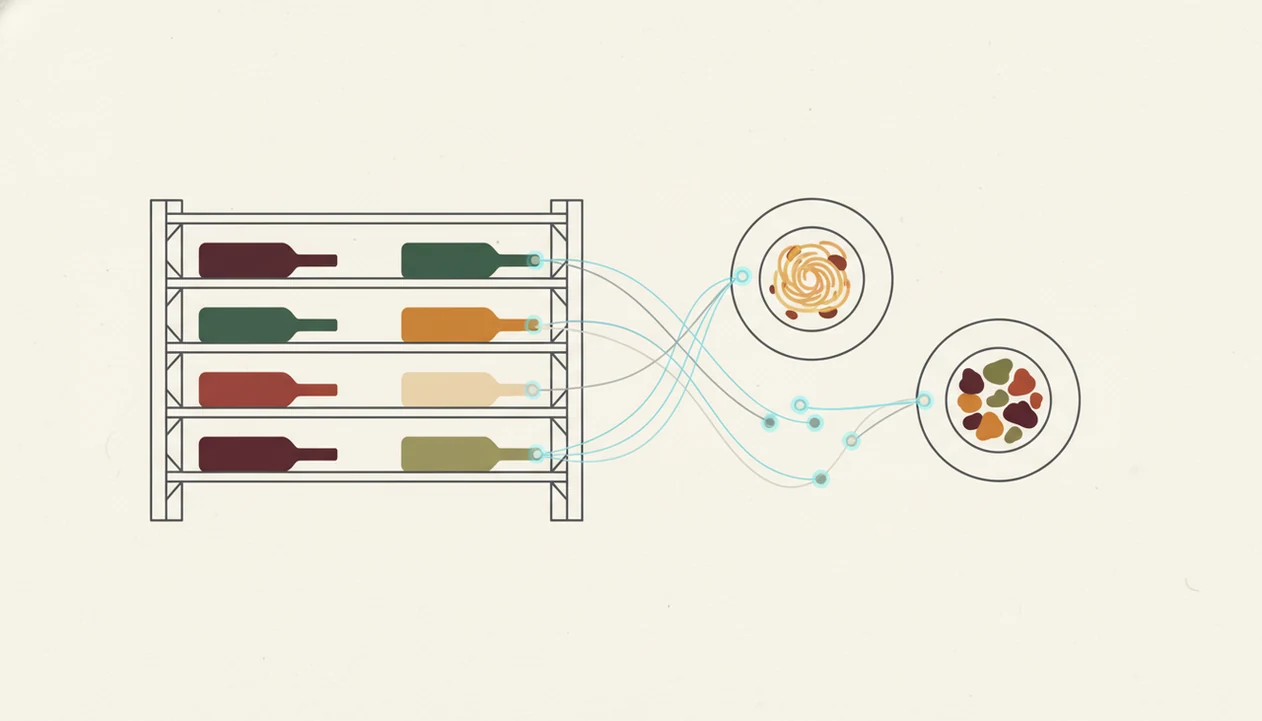
Cellar-aware pairing is different from generic advice because it starts with bottles you already own. Instead of saying “buy a Pinot Noir,” the app can say “open the 2021 village Burgundy on shelf B.”
With Wine Identifier App, you can scan bottles into a digital cellar, then cross-reference that inventory against tonight’s dish. The app can consider grape, region, vintage, drinking window, and your past rating before suggesting a match.
This prevents two common problems. First, you stop buying another bottle when a good one is already sitting at home. Second, you reduce forgotten inventory, like the duplicate Cabernet found behind Syrah after a shelf shuffle.
For cellar owners, pairing from owned bottles is often more useful than generic pairing advice because it connects meal planning with actual inventory.
DiVino can also help with bottle memory. Save it before you forget, especially after a late dinner when the label photo would otherwise vanish into the camera roll.
How To Use A Food Wine Pairing App In Six Steps
Use a food wine pairing app by giving it a clear dish, checking the reasoning, confirming the bottle, and saving the result after the meal. The note only needs to be good enough, not a tasting exam.
- Download and set up your profile with taste preferences, budget range, favorite styles, and any wines you usually avoid.
- Scan or enter tonight’s dish using a recipe, menu photo, dish name, or ingredient list.
- Review the ranked wine suggestions and read the reason for each match before picking the easiest bottle to find.
- Scan the wine label to confirm the bottle, vintage, grape, region, and tasting notes.
- Save the pairing and rate the match after eating, even if your note is just “great with garlic sauce.”
- Sync with your cellar so future recommendations can include bottles you own and repeat favorites.
If you cook from recipes often, an app that pairs wine with recipes saves a lot of thumb-typing. Scan, check, adjust.
Common Mistakes When Relying On Wine Pairing Apps
The biggest mistake is expecting one perfect wine for every dish. Pairing is guided preference, not math homework with a single answer.
Another common miss is skipping the taste profile. If you hate oaky Chardonnay but never tell the app, it may keep recommending bottles that are technically sensible and personally wrong. Same with very tannic reds, sweet wines, or high-acid whites.
Vague dish descriptions also weaken the output. “Chicken” is not enough. “Roast chicken with lemon, herbs, and crispy skin” gives the app more to work with. A cream back label with tiny importer text can matter too, so retake the scan if your thumb covers the barcode.
Do not let the app freeze your curiosity. Try the odd match sometimes. Dark chocolate after red wine may surprise you, or it may not.
A wine pairing app works better when you also learn the basics: body, acidity, sweetness, tannin, and intensity.
Limitations
Pairing apps are helpful decision tools, but they have real limits. Treat the recommendation as a strong suggestion, not a command.
- Pairing logic is based on broad taste patterns, so it may miss your preference for very dry, very sweet, or very low-tannin styles.
- AI models tend to handle common dishes and classic wines better than fusion cooking or obscure grape varieties.
- Poor input creates poor output. A blurry label, vague dish name, or misread menu can send the app in the wrong direction.
- No algorithm can fix a flawed wine, a corked bottle, or badly executed food.
- Recommendations may feel repetitive if your cellar, budget, or local store selection is narrow.
- Over-reliance can make you less willing to experiment, which is part of why wine stays interesting.
- Vintage, storage, serving temperature, and glassware can change the experience after the app has done its part.
The pocket check is real.
Use the app, then taste the food and wine together. Your table gets the final vote.
FAQ
Are wine pairing apps accurate?
Wine pairing apps can be accurate when the dish description, label scan, and taste profile are clear. Results remain subjective because people perceive sweetness, acidity, bitterness, and tannin differently.
Do pairing apps work for vegetarian dishes?
Yes, pairing apps work for vegetarian and vegan dishes because they match flavor profile, cooking method, sauce, texture, and intensity, not just protein. Mushroom pasta, lentil stew, roasted squash, and spicy tofu can all produce useful recommendations.
Can a pairing app suggest wines from my cellar?
Yes, cellar-integrated apps can recommend bottles you already own instead of giving only generic styles. Wine Identifier App can support this workflow when scanned bottles are saved into a digital cellar.
Why use a wine pairing app instead of Google?
A pairing app can personalize results by dish details, budget, saved preferences, and available bottles. Google and static pairing charts usually give broader answers that may not fit your meal or taste.
Do restaurants use wine pairing apps?
Yes, restaurants can use pairing tools for staff training, menu planning, upselling, and more consistent table recommendations. They are especially useful when new servers need quick pairing language.
Are pairing apps only for beginners?
No, pairing apps help beginners, collectors, dinner hosts, and hospitality professionals. Experienced users often value cellar-aware suggestions, faster decisions, and saved pairing history.
Does food sweetness affect wine pairing?
Yes, sweetness in food can make wine taste more bitter or astringent. That is why sweet dishes usually need wines with enough sweetness to stay balanced.
Can I scan a restaurant menu for wine pairings?
Yes, some AI pairing apps can read a restaurant menu photo and suggest wines based on dish names and ingredients. Wine Identifier App can also pair label scanning with menu context when choosing at the table.