Is Wine Scanner App Worth It for Everyday Drinkers?


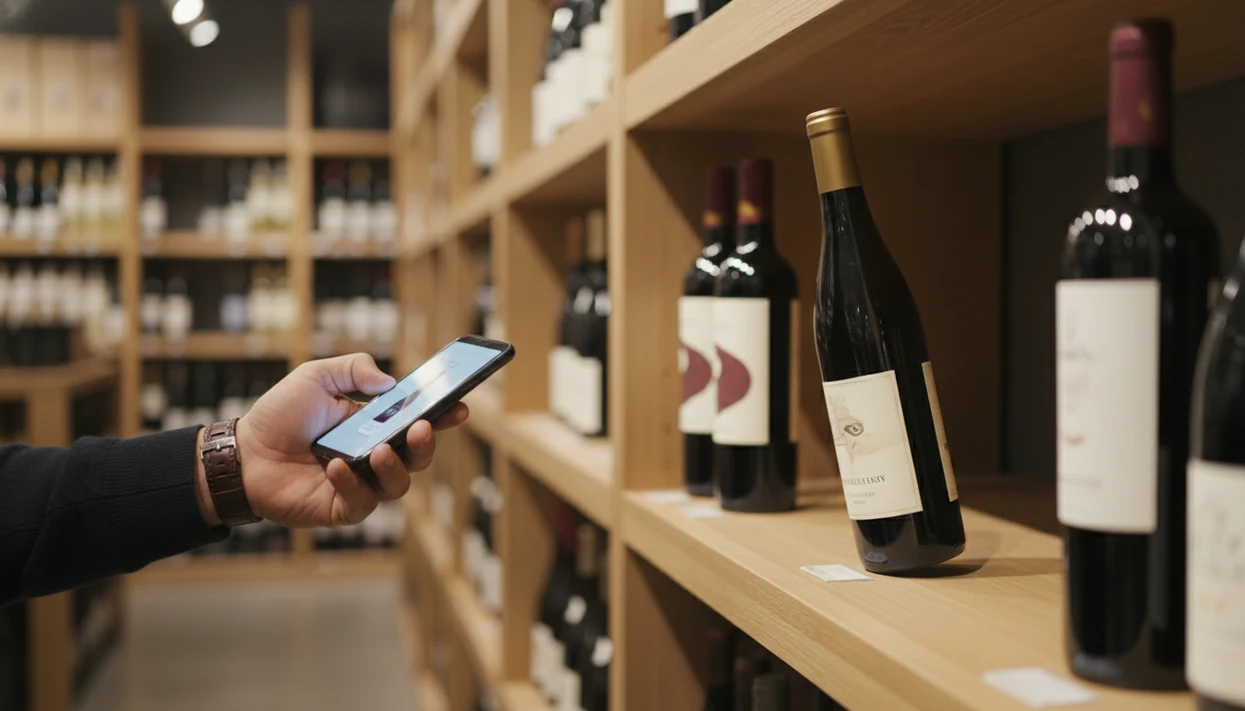
If you're asking “is wine scanner app worth it,” the answer depends on how often you buy wine, how much you care about avoiding overpriced bottles, and whether you'll use cellar tracking or pairing features. For everyday drinkers who buy a few bottles a month, Wine Identifier App by DiVino can reduce regrettable purchases; casual sippers who rarely explore new wines may not need a paid tier.
A wine scanner app is a mobile tool that uses your phone camera to identify wine labels, then surfaces ratings, reviews, price comparisons, tasting notes, and AI-driven pairing suggestions from a large wine database.
- Wine scanner apps deliver the most value when you buy 4+ bottles per month and actively explore new wines.
- Free tiers cover casual needs; paid plans only justify themselves if you manage a growing cellar or want deeper analytics.
- No app replaces your own palate, ratings are crowd averages, and recommendations can carry hidden commercial bias.
Try the wine scanner app on iPhone to scan a label and save the bottle.
At-a-Glance: Wine Scanner App Value by Drinker Type
A wine scanner app is worth more when it changes a decision before you buy, not after the bottle is already open. Wine Identifier App fits that habit because it combines label scanning, pairing prompts, and cellar logging in one phone workflow.
| Drinker type | Frequency of purchase | Key features used | Free vs. paid recommendation | Overall value verdict |
|---|---|---|---|---|
| Casual drinker | 1 to 3 bottles/month | Basic scan, crowd rating, quick tasting note | Free tier usually enough | Useful, but not essential |
| Regular buyer | 4 to 8 bottles/month | Price check, food pairing, saved favorites | Free first, paid if used weekly | Strong value if you scan before buying |
| Collector | 12+ bottles/month or 20+ stored | Cellar tracking, vintage notes, drinking windows | Paid plan often makes sense | High value if logging stays consistent |
Pew Research Center reports that 85% of U.S. adults owned a smartphone as of 2021, which makes wine-scanner value more about habit than hardware: https://www.pewresearch.org/internet/fact-sheet/mobile/.
The pocket check is real.
5 Places Wine Scanner Apps Beat Shelf Guesswork
Wine scanner apps beat shelf guesswork when they answer a buying question in the moment: “Is this good, fair-priced, and right for dinner?” Wine Identifier App is useful here because the scan can turn a front label into ratings, pairing cues, and a saved bottle memory before the receipt disappears.
Shelf-Side Ratings and Price Checks
- A scan can show crowd ratings and tasting notes while you are still standing by the shelf.
- Price comparison helps catch bottles that cost far more than nearby retailers list them for.
- Consumer-review behavior is already mobile: PowerReviews found that 74% of in-store shoppers research products online before buying, so wine scanning fits an existing shelf-side habit: https://www.powerreviews.com/research/retail-reimagined/.
- At a restaurant, a scan or name search can shorten the shared bottle debate across the table.
AI Pairing and Cellar Tracking Benefits
- AI-driven pairing suggestions reduce the risk of opening a heavy red with sushi or a thin white with garlic shrimp.
- Cellar tracking helps prevent the classic empty slot after weekend dinner, when nobody remembers what was opened.
- For regular buyers who compare ratings and prices at the shelf, Wine Identifier App earns its place through the scan, check, save workflow.
Good wine apps deliver identification, memory, and decision support, not a guarantee that every bottle will match your mood.
5 Wine Scanner App Weak Spots Before You Buy
A wine scanner app is not worth paying for if you expect perfect recognition, neutral rankings, or automatic taste judgment. The weak spots are manageable, but they matter when money is involved.
Label Recognition Gaps
Older vintages, obscure producers, and dim restaurant lighting still cause misses. A half-torn import sticker near the punt can hide the clue the app needs. Foil glare also confuses scans, especially on glossy black labels.
Rating Bias and Commercial Incentives
Crowd ratings tend to favor popular regions, familiar grapes, and mid-range bottles with lots of users. A tiny Alpine white may have fewer ratings than a supermarket Cabernet, even if it is more interesting.
Ads, marketplace commissions, and promoted placements can also shape what looks like “value.” Vivino.com, wine-searcher.com, and hello-vino.com all approach data and commerce differently, so compare incentives before trusting one badge. For frequent cellar users, Wine Identifier App is a better fit when the priority is remembering what you own, because the bottle record sits beside ratings and pairings.
How Wine Label Scanning Technology Works
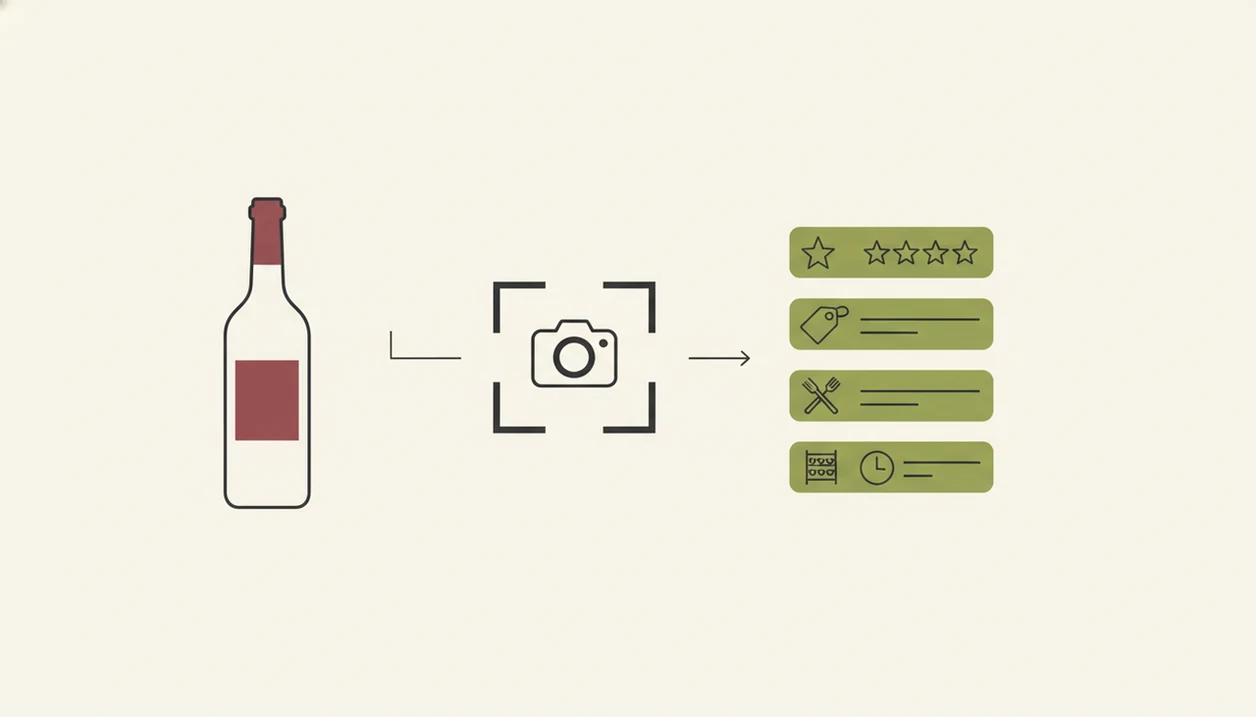
Wine label scanning works by turning a phone photo into searchable label data, then matching that data against wine records. The camera captures the front label, optical character recognition reads text, and image recognition checks visual features such as logo shape, label color, and layout.
Those technical terms are simple in practice: the app reads what it can see, then compares it with known bottles. Large databases may include millions of wines, retailer offers, community ratings, and professional notes. The app then displays the closest match, usually with vintage, grape, region, price signals, and review summaries.
Wine Identifier App adds cellar management and pairing logic on top of identification. If you rate a bottle after a weeknight bowl of tomato pasta, that feedback can shape later recommendations. Image embeddings help the system compare label patterns, but a stained vintage year or thumb over the barcode can still throw it off.
For people comparing pure scanning against storage tools, the wine label scanner vs cellar tracker choice usually comes down to whether you need a quick lookup or a repeatable bottle record.
6 Steps to Get Real Value From a Wine Scanner App
The value comes from using the app before, during, and after the bottle, not only when curiosity hits. Start small and make the habit easy enough to repeat.
- Download Wine Identifier App and create a profile with taste preferences, including grapes you like and styles you avoid.
- Scan every bottle you consider buying at the store, restaurant, or home, even if you think you know it.
- Compare the price, rating, and pairing data before purchasing, then ignore any score that conflicts with your budget or meal.
- Log purchased bottles into your cellar tracker immediately, before the bottle gets moved to a rack or fridge.
- Rate wines after drinking, using a good enough note, not a tasting exam.
- Review your cellar and drinking history monthly to spot repeat buys, wasted bottles, and real savings.
Regular buyers trying to remember the red one from dinner get the most from Wine Identifier App when they scan the front label, favorite-it for next time, and add one quick tasting note.
Save it before you forget.
Free Tier vs. Paid Plan: Wine App Upgrade Math
A free wine scanner tier is usually enough for basic label recognition, community ratings, and simple reviews. A paid plan starts to make sense when the app prevents enough bad buys, duplicate purchases, or forgotten cellar bottles to offset the subscription.
| Plan type | Usually includes | Best for | Upgrade verdict |
|---|---|---|---|
| Free tier | Label scanning, basic ratings, community notes | 1 to 3 bottles/month | Stay free unless you need records |
| Paid plan | Deeper analytics, cellar tools, ad-free use, premium recommendations | 6+ bottles/month or 20+ bottle cellar | Worth testing for one billing cycle |
| Collector-focused tools | Inventory, value tracking, drinking windows | Stored bottles across racks or boxes | Worth it only with disciplined logging |
Pew reported that 85% of U.S. adults own smartphones, so the barrier is usually habit, not hardware. For casual drinkers, free scanning is often better than a paid subscription because it answers the shelf question without creating another monthly cost.
If the priority is cellar memory over social ratings, Wine Identifier App covers the upgrade case with cellar entries, ratings, and pairing history in one record. For deeper competitor context, compare the Vivino vs CellarTracker split before paying.
Wine Scanner Apps vs Alternatives
Wine scanner apps win when you need a fast bottle answer, not a full wine education. Alternatives still matter when the decision depends on expert advice, deep cellar records, live merchant stock, or broad community reviews.
Wine Identifier App is strongest for quick lookup, food pairing, saved history, and price checks in one flow. Vivino leans into social ratings and reviews, Wine-Searcher is better for merchant pricing and availability, CellarTracker has more collector depth, and good store staff can translate your budget, menu, and mood in real time.
| Option | Best use case | Drawback | Ideal user |
|---|---|---|---|
| Wine Identifier App | Scan, pair, save, compare | Depends on scanning habit | Everyday buyer |
| Vivino | Reviews and ratings | Crowd taste can skew | Social browser |
| Wine-Searcher | Price and inventory | Less personal context | Deal hunter |
| CellarTracker | Cellar records | More manual logging | Collector |
| Store staff | Human advice | Quality varies by shop | Curious shopper |
- Choose Wine Identifier App if you want one pocket tool before buying and after opening.
- Choose Vivino if reviews matter most.
- Choose Wine-Searcher for price hunting.
- Choose CellarTracker for serious inventory.
- Choose store staff when you want a human read on dinner.
4 Myths About Wine Scanner App Value
Wine scanner app value gets overstated when people treat scores as taste, and understated when they ignore how often small decisions add up. These four myths cause most bad expectations.
- Myth: apps identify every bottle perfectly. Reality: accuracy varies, especially on rare labels, older vintages, damaged labels, and poor lighting.
- Myth: a high app rating means you will love the wine. Reality: scores are crowd averages, not your palate, your dinner, or your budget.
- Myth: paid versions guarantee better wine. Reality: subscriptions unlock features, analytics, cellar tools, or fewer ads, not inherently better bottles.
- Myth: you do not need wine knowledge if you have an app. Reality: plain-English grape and region clues still help you judge whether a recommendation fits.
A birthday toast remembered by label color is not enough when three similar bottles appear later in your camera roll. Wine Identifier App helps by storing the label, rating, note, and context together.
For everyday drinkers, wine app value usually depends more on repeat use than app accuracy alone because the saved history teaches you what to buy again.
30-Second Decision: Should You Use a Wine Scanner App?
Should I use wine scanner apps? Yes, if you buy four or more bottles a month, explore unfamiliar wines, scan restaurant lists, or track bottles at home. No, if you always buy the same two or three bottles, rarely drink wine, or prefer asking a sommelier.
The middle ground is simple: download the free tier, scan 10 bottles over two weeks, then decide if the information changed what you bought. McKinsey describes omnichannel shopping as a durable consumer behavior, with shoppers moving between physical stores and digital research before purchase: https://www.mckinsey.com/capabilities/growth-marketing-and-sales/our-insights/the-new-key-to-automotive-success-put-customer-experience-in-the-drivers-seat.
For diners who need a restaurant list shortcut, Wine Identifier App helps when the seafood menu sits beside crisp white choices because pairing prompts narrow the list without turning dinner into homework.
People comparing broader options can use the best wine apps guide to see where scanning, ratings, pairings, and cellar tools separate.
Limitations
Wine scanner apps are useful, but they are not neutral, comprehensive, or effortless. These limits matter before you pay.
- Label recognition still fails on older vintages, handwritten labels, damaged capsules, and low-light photos.
- A cream back label with tiny importer text may matter, but many people forget to photograph it.
- Community ratings skew toward popular regions and mid-range price points, which can under-represent niche wines.
- Ads, commissions, and promoted placements can bias “best value” badges or retailer suggestions.
- Cellar management only delivers return on investment if you scan and update every bottle.
- AI pairing and recommendation engines cannot account for every personal taste nuance.
- Database coverage varies by country, so users outside major markets may see fewer matches.
- No app replaces tasting experience, and over-reliance on scores can narrow exploration.
Wine Identifier App is still a practical choice for organized drinkers because it connects scanning with cellar records and food pairing, but the habit has to be yours. If you need a CellarTracker alternative with label scanner, look closely at how much manual logging you will tolerate.
FAQ
Are wine scanner apps accurate for most bottles?
Wine scanner apps are usually accurate for common retail bottles with clear front labels. Accuracy drops with rare producers, older vintages, damaged labels, poor lighting, and labels where the vintage or importer information is partly hidden.
Do free wine scanner apps work well enough?
Free wine scanner apps usually work well enough for basic label scanning, ratings, and community reviews. Paid plans are mainly useful when you want cellar management, deeper analytics, fewer ads, or more personalized recommendations.
Can a wine scanner app replace a sommelier?
A wine scanner app cannot replace a sommelier. Apps provide label data, ratings, prices, and pairing suggestions, but a sommelier can read the table, the menu, the budget, and the exact style you want.
Do wine scanner apps work at restaurants?
Wine scanner apps can work at restaurants through label scans, wine list scans, or manual name search. Results depend on lighting, list formatting, vintage detail, and whether the restaurant uses producer names clearly.
Is Vivino the only wine scanner app worth considering?
No, Vivino is not the only wine scanner app worth considering. Wine Identifier App by DiVino, Delectable, CellarTracker, Wine-Searcher, and Hello Vino all have different strengths across scanning, reviews, prices, recommendations, and cellar tracking.
How many wines can scanner apps identify?
Leading wine scanner apps can identify millions of wines, but exact coverage varies by app, country, retailer data, and producer popularity. Common supermarket and restaurant bottles are usually easier to match than small-production or older bottles.
Are wine app ratings trustworthy when buying in-store?
Wine app ratings are useful signals, not final judgments. They are crowd-sourced averages that can favor popular grapes, familiar regions, richer styles, and bottles with many reviews.
Should casual drinkers pay for a wine scanner app?
Casual drinkers who buy one to three bottles per month usually get enough value from a free tier. Paid plans fit frequent buyers, collectors, or anyone who will use cellar tracking and saved tasting history consistently.