Wine Regions and Appellations Guide: How to Read Labels Like a Pro


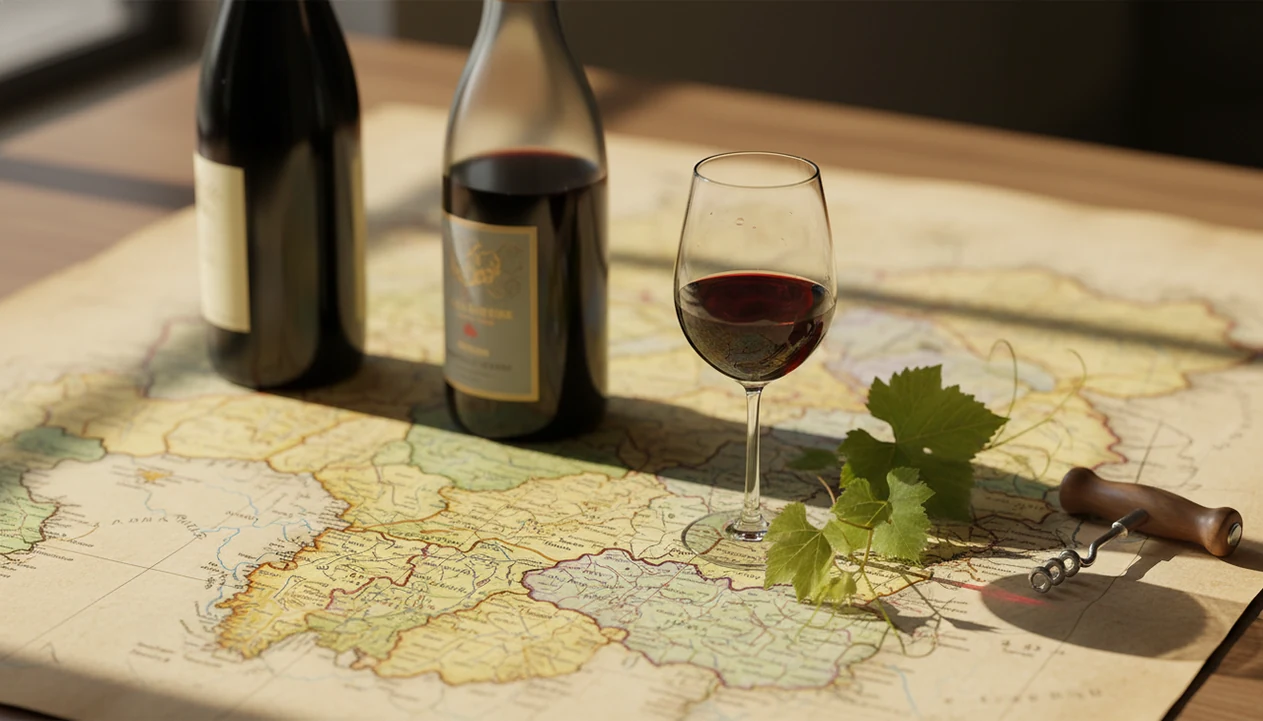
A wine regions and appellations guide explains the legally defined place names on wine labels, such as AOC, AVA, and AOP, so you can predict a wine's style, quality, and grape varieties before opening the bottle. Appellations set rules on geography, permitted grapes, and winemaking methods, making them the most reliable shorthand for what to expect from any bottle you scan or buy.
Definition: A wine appellation is a legally defined and regulated wine-growing area, such as France's AOC, America's AVA, or Europe's AOP, that guarantees the wine meets specific geographic, varietal, and winemaking standards printed on the label.
TL;DR
- Appellations are legally protected place names that dictate grape varieties, winemaking rules, and expected wine styles.
- European labels emphasize region names over grape names, so learning key appellations unlocks hundreds of wines.
- Appellation hierarchies, from regional to village to cru-level classifications, generally signal stricter rules and smaller areas, but producer skill and vintage matter just as much.
- AI label-scanning tools use appellation data to refine style predictions, food pairings, and cellar-aging recommendations.
- Wines outside famous appellations, including IGP and Vin de France, can still be excellent. Combine label knowledge with producer info and personal taste.
Try the wine regions and appellations guide app on iPhone to scan a label and save the bottle.
What Wine Appellations Mean on a Bottle Label
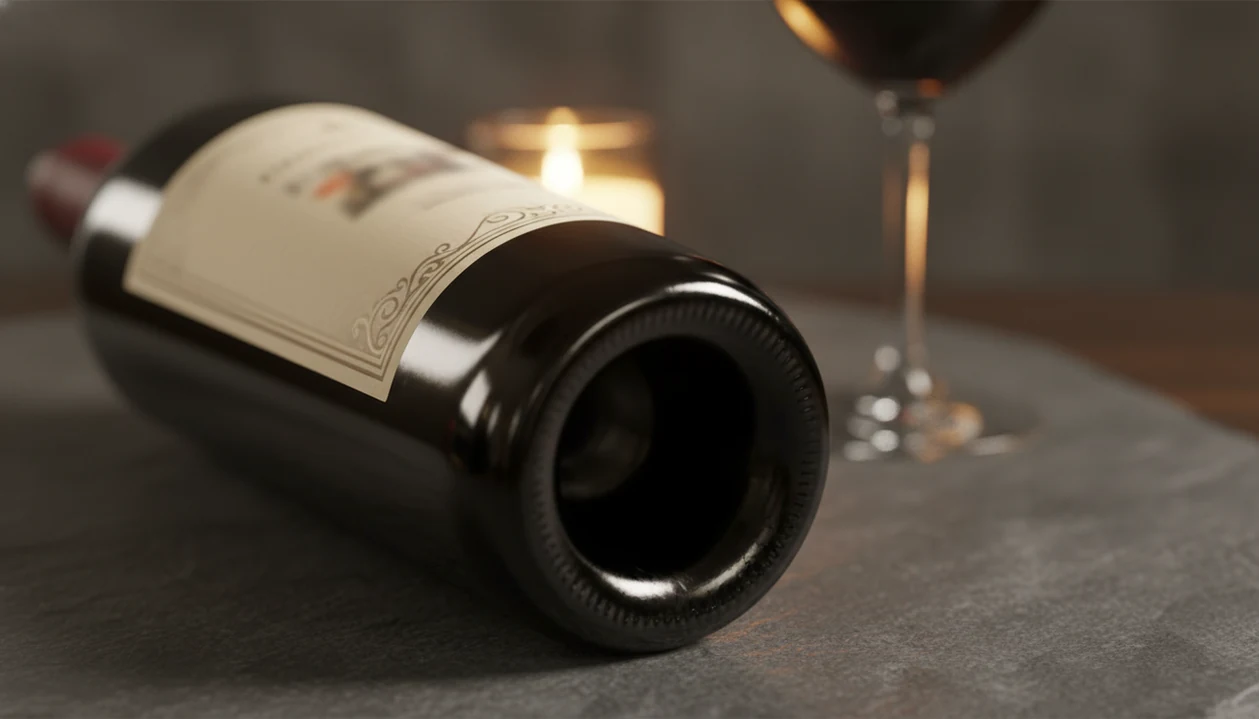
A wine appellation is a protected place name that tells you where a wine was grown and which production rules it followed. On labels, terms like AOC, AOP, AVA, DO, DOC, and DOCG are shortcuts for legal systems built around origin.
Those rules usually cover the vineyard area, permitted grapes, maximum yields, minimum alcohol, harvest practices, and winemaking methods. A Sancerre label, for example, says more than “France.” It points to Sauvignon Blanc from a defined Loire zone, made under local rules.
Appellations exist for two plain reasons: consumer protection and regional identity. They stop a producer from putting “Bordeaux” or “Napa Valley” on a bottle that did not come from that place.
The scale is large. France has more than 300 AOP/AOC wine designations listed by the French agriculture ministry, so a label can get specific fast (https://agriculture.gouv.fr/les-signes-officiels-de-la-qualite-et-de-lorigine-si-qo). A glossy Burgundy bottle in restaurant lighting can hide the small village name, and that tiny line may matter more than the big regional word.
Five Essential Facts About Wine Regions and Appellations
These five facts explain why appellations matter more than many front-label grape names. If you remember only one thing, remember this: place names often carry the grape, style, and rulebook at once.
- An appellation is legal geography. It defines a wine-growing area and often controls grapes, yields, and cellar practices.
- Big regions break into smaller names. Bordeaux, Burgundy, Napa, and the Loire include sub-regions, villages, and sometimes single-vineyard identities.
- European labels often lead with place. Sancerre usually means Sauvignon Blanc, while Burgundy usually points to Pinot Noir for red wines and Chardonnay for white wines.
- Hierarchy is a clue, not a verdict. Smaller, stricter zones can signal prestige and price, but they do not guarantee that every drinker will prefer the bottle.
- Flexible categories can still be serious. IGP and Vin de France wines may skip famous appellation rules, yet still come from careful farming and skilled producers.
For beginners, learning appellation names is often faster than memorizing hundreds of estate labels because one place name can explain grape, style, and likely structure.
How Wine Regions and Appellations Work
Wine regions and appellations work by turning place into a controlled label promise. A legal boundary defines where the grapes may come from, a governing body sets the rulebook, and producers must meet the permitted standards before using the protected name.
In many systems, those standards shape the wine before it reaches the glass. Grape rules decide whether a red Burgundy is built around Pinot Noir or a Chianti around Sangiovese. Yield limits control how much fruit a vineyard can carry, which can affect concentration. Minimum alcohol rules and required methods, such as traditional sparkling production, also push wines toward familiar regional styles. Labels usually move from broad to narrow: a bottle may say France, then Burgundy, then Côte de Beaune, then a village or vineyard name. Each smaller term tends to add precision, not an automatic guarantee. Origin protection confirms where the wine came from and which rules it followed; it does not replace producer skill, vintage conditions, storage, or bottle condition. American AVAs are different from many European appellations because they mostly protect geography, not grapes or winemaking methods.
Wine Appellation Systems in France, the US, Italy, and Spain
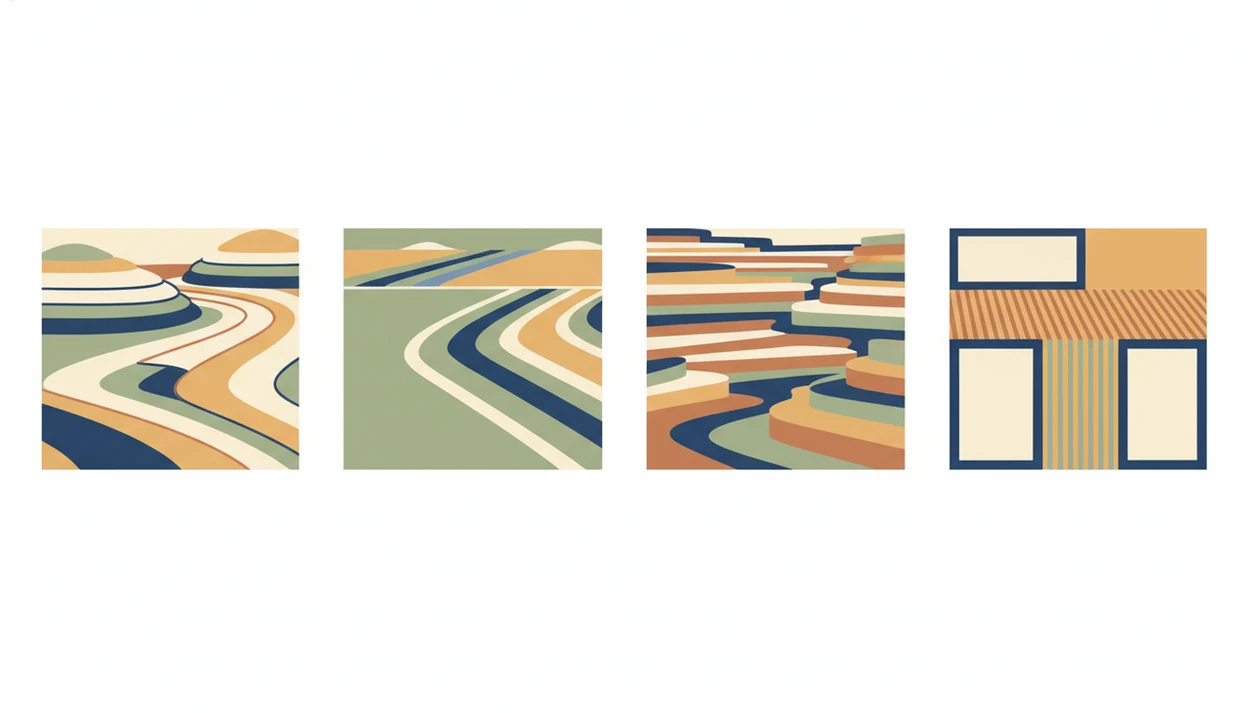
Wine appellation systems work differently by country, so the same-looking label term may not mean the same type of rule. The biggest divide is simple: Old World labels usually lead with place, while New World labels often lead with grape.
| Country or region | Main terms | What the system controls | Label-reading clue |
|---|---|---|---|
| France | Vin de France, IGP, AOC/AOP, village, cru classifications | Geography, grapes, yields, and production rules | Place name often implies the grape |
| United States | AVA | Geography only | Grape variety is usually listed separately |
| Italy | DOC, DOCG | Origin, grape rules, and production standards | Regional names like Chianti and Barolo carry style signals |
| Spain | DO, DOCa | Origin and regulated production rules | Rioja, Ribera del Duero, and Priorat signal both place and style |
French AOC and AOP Hierarchy
France moves from broad categories to narrow ones.
American Viticultural Areas (AVAs)
American AVAs define where grapes are grown, not which grapes or methods must be used. Napa Valley contains 16 AVAs, including Oakville and Stags Leap District.
Italian DOC and Spanish DO Systems
Italy’s DOC and DOCG tiers and Spain’s DO and DOCa systems combine origin with style rules. A label can look formal, but the producer still matters.
Major Wine Regions and Their Signature Appellations
The most useful appellations are the ones that help you picture the wine before the cork comes out. Start with the regions below, then add producer and vintage.
Bordeaux and Burgundy Appellations
Bordeaux splits into Left Bank and Right Bank patterns. Médoc often leans Cabernet Sauvignon, while Saint-Émilion and Pomerol lean Merlot. Burgundy is narrower and more fragmented, with Côte de Nuits for structured Pinot Noir, Côte de Beaune for Pinot Noir and Chardonnay, Chablis for mineral Chardonnay, and Beaujolais for Gamay.
Loire Valley and Rhône Wine Labels
Loire Valley labels are good training ground. Sancerre points to crisp Sauvignon Blanc, Vouvray to Chenin Blanc, Muscadet to lean Melon de Bourgogne, and Chinon to Cabernet Franc. A full wine grape varieties guide helps connect those place names to the grapes behind them.
Napa Valley and New World Wine Regions
Napa Valley AVAs such as Oakville, Rutherford, and Stags Leap District often signal Cabernet Sauvignon with ripe fruit and firm structure. Italy gives you Chianti, Barolo, and Brunello di Montalcino. Spain gives you Rioja, Ribera del Duero, and Priorat, often with Tempranillo or Garnacha at the center.
Appellation Hierarchies and Wine Label Quality Tiers
Appellation hierarchies are quality filters, not quality guarantees. In places like Burgundy, the pyramid often runs from regional wine to sub-regional wine, village wine, Premier Cru, and Grand Cru.
Smaller areas usually mean stricter rules, lower production, and higher prices. A regional Bourgogne label may draw fruit from a wider zone, while a Grand Cru label points to a named vineyard with stronger legal and historical status.
That sounds tidy. It is not always tidy in the glass.
A Grand Cru does not guarantee every drinker will prefer it. Some bottles need years. Some producers over-extract. Some vintages run hot, rainy, lean, or uneven. A careful village wine from a strong grower can beat a careless bottle with a famous classification.
Use hierarchy as a starting filter, then check producer, vintage, and drinking stage. For cellar bottles, a wine vintage lookup can add context that the appellation name alone cannot provide.
Wine Region Labels, Terroir, and Flavor Style
Wine region labels translate place into flavor expectations, but they do it imperfectly. The same grape can taste bright, earthy, plush, or herbal depending on where it grows.
Pinot Noir is the easy example. Burgundy can show red cherry, earth, flowers, and firm acidity. Oregon often keeps the acidity but adds a riper fruit tone. New Zealand Pinot Noir can feel brighter, darker-fruited, or more direct depending on the region.
Terroir is the mix of soil, climate, altitude, slope, aspect, and local farming choices that shapes the wine. Appellation rules sit on top of that. They may require certain grapes, limit yields, or protect traditional methods, which nudges wines toward recognizable styles.
Still, all Burgundy does not taste the same. Chablis and Meursault are both Chardonnay worlds, but they are not close twins. Knowing sub-appellations sharpens expectations because the smaller place name often carries the real flavor clue.
For most drinkers, sub-appellation knowledge is more useful than broad region knowledge because it reduces surprise at the table.
Appellation Data in a Wine Label Scan
Appellation data helps a label scan move from “what bottle is this?” to “what should I expect from it?” The scan reads label text, matches the image, and uses the region name as a confidence signal.
- Scan the wine label with Wine Identifier App. Hold the bottle square-on, especially if the glass is curved or the appellation line sits near the bottom.
- Identify the appellation and classification tier displayed. Check whether the result says AOC, AOP, AVA, DOC, DOCG, DO, IGP, or Vin de France.
- Check the dominant grape varieties linked to that appellation. Sancerre, Chianti, and Barolo each carry grape clues even when the grape is not printed.
- Review AI-generated style notes and food-pairing suggestions refined by region. A grilled steak resting under foil calls for different structure than a tomato-heavy pasta.
- Log the bottle in your cellar with region tags for aging and drinking-order guidance. Region tags make later sorting easier.
Apps such as Wine Identifier App, Vivino, and CellarTracker can help translate appellation text into cellar notes, but the human check still matters. A thumb over the appellation line can turn a confident scan into a similar bottle match.
Good AI-powered wine identification and cellar management apps deliver faster label reading, region-aware notes, and organized bottle history, not a replacement for tasting judgment.
Wine Appellations vs. IGP and Vin de France Labels
IGP and Vin de France labels are not warning signs by themselves. They usually mean the wine follows broader rules, or fewer geographic rules, than a strict appellation wine.
IGP, formerly called Vin de Pays in France, ties wine to a broader geographic area and allows more freedom with grapes and style. Vin de France is more flexible still. It does not require a specific protected origin, so producers can blend across areas or use varieties outside local AOC rules.
Some serious producers choose that freedom on purpose. They may plant an unfashionable grape, blend in a way the appellation forbids, or make a wine that tastes better outside the rulebook.
Non-appellation wine does not mean low quality; it means the classification gives you less traditional guidance.
A wine identifier app can flag the classification level so you can decide what the label is telling you. In DiVino, that note is most useful when the bottle design looks classic but the category says something more flexible.
Related Wine Label Concepts
Related wine label concepts are the extra clues around an appellation: year, maker, bottling source, classification, and vineyard name. They help you turn a legal place name into a more practical buying or cellaring decision.
A vintage is the harvest year, and it can change ripeness, acidity, and aging potential. The producer is the winery, domaine, château, or house responsible for the wine; the importer is the company that brought the bottle into your market. Estate and bottling terms suggest where the grapes were grown and who controlled the process, though the exact meaning varies by country. Grape variety names also depend on labeling culture: New World bottles often say Cabernet Sauvignon or Chardonnay up front, while European regions may imply the grape through the appellation.
- Check the vintage first when age, weather, or drinking window matters.
- Identify the producer and importer to separate a trusted bottling from a familiar region name.
- Read classification and cru language as a ranking or place clue, not a guarantee.
- Notice estate and single-vineyard terms when the label points to a narrower source.
- Use vintage lookup, grape guides, and cellar tools to confirm what the front label leaves unsaid.
Limitations
Appellations are useful, but they leave out important context. Treat them as a map, not the whole trip.
- Large umbrella names like Burgundy, Bordeaux, and Rioja hide major internal diversity.
- Appellation rules define inputs, but they cannot guarantee final wine quality or consistency.
- Vintage variation can make the same producer and appellation feel very different year to year.
- Classification systems change. New AVAs get approved, AOP names shift, and older references can age badly.
- Some excellent producers deliberately work outside strict appellations, so classification is an incomplete quality signal.
- Label-scanning apps depend on database freshness and may lag behind regulatory changes.
- European geographic labeling can confuse casual drinkers who expect grape names on the front label.
- A scan can miss the key line if glare covers the vintage or a back label catches the importer but not the producer.
If you are managing bottles for aging, appellation is only one input. A drinking window calculator works better when region, grape, producer, vintage, and storage conditions are all considered.
FAQ
What is a wine appellation?
A wine appellation is a legally regulated wine-growing area with rules for origin, grape varieties, and production methods. Examples include AOC, AOP, AVA, DOC, DOCG, and DO.
How do AVAs differ from AOCs?
AVAs define geographic growing areas in the United States, but they do not regulate grape varieties or winemaking methods. AOCs and AOPs usually regulate geography, grapes, yields, and production standards.
Does appellation guarantee wine quality?
No. Appellations set rules and protect origin, but producer skill, vintage, storage, and personal taste still determine whether a bottle is good for you.
Why don't European wine labels always list grapes?
Many European labels follow the Old World tradition of labeling wine by place instead of variety. The appellation name often implies the grape, such as Sancerre for Sauvignon Blanc.
What does Grand Cru mean on a wine label?
Grand Cru usually marks a top classification level, but its exact meaning depends on the region. In Burgundy it refers to specific vineyards, while in Bordeaux it is tied to classification systems and estates.
Can IGP wines be high quality?
Yes. IGP wines can be excellent because the category gives producers more freedom with grapes, blends, and winemaking choices.
How many wine appellations does France have?
France has over 300 AOC appellations under its national quality system. Burgundy alone has over 70 to 80 officially recognized AOCs.
What is terroir in wine?
Terroir is the combination of soil, climate, altitude, exposure, and local growing conditions that shapes a wine’s character. It explains why the same grape can taste different across regions.
How do I scan an appellation label?
Open the scanner, photograph the front label clearly, and check the detected appellation, classification tier, grape clues, and region-based notes. Retake the photo square-on if glare or a curved bottle hides the small print.