Wine Vintage Lookup: How to Check Drink Windows, Value, and Quality by Year


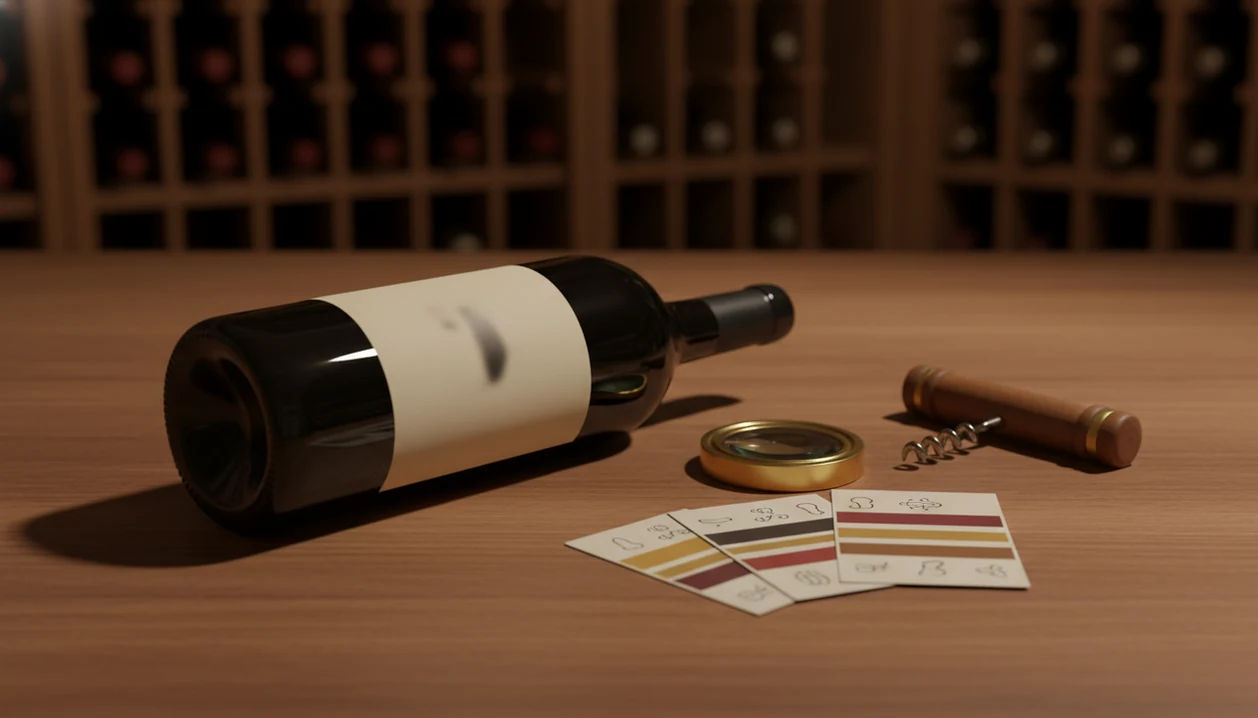
A wine vintage lookup translates the harvest year on a bottle's label into practical guidance about drink window, quality, and fair price by comparing that year with region-specific weather data and vintage charts. After scanning a label with an AI wine identifier, vintage lookup is the step that turns a bottle's identity into a buy, hold, or drink-now decision.
> Definition: Wine vintage lookup is the process of checking a wine's harvest year against region-specific quality data to determine drink readiness, aging potential, and market value.
TL;DR
- The vintage year is the grape harvest year, not the bottling year, and it directly shapes quality and price.
- A strong vintage in one region can coincide with a weak vintage in another, so always check region-specific data.
- AI label scanning automates vintage lookup by linking the identified bottle to drink-window and value estimates instantly.
Try the wine vintage lookup app on iPhone to scan a label and save the bottle.
What a Wine Vintage Lookup Actually Tells You
A wine vintage lookup tells you what the year on the label means for quality, drink timing, and value. It is not just a trivia check after dinner.
- Vintage year means harvest year. If the label says 2018, the grapes were picked in 2018, even if the bottle was released later.
- Weather changes the wine. Rain, frost, heat, drought, and cool nights can shift ripeness, acidity, tannin, and aging potential.
- Vintage charts summarize regional performance. They usually score a year by region, not by every individual bottle.
- Lookup turns identity into action. Once you know producer, grape, region, and year, you can decide whether to buy, open, hold, sell, or gift it.
- Producer and storage still matter. A famous estate can underperform in a hard year, and a great vintage can taste tired if it sat warm.
I usually notice the need for lookup at 10:40 p.m., with plates still out and someone saying, “I liked the red one from dinner, but I have no idea what it was.”
How Wine Vintage Lookup Works Behind the Scenes
Wine vintage lookup works by matching a bottle’s year and region to structured harvest data, then translating that data into drink-window and value guidance. The mechanism is simple to use, but the background data is layered.
Weather records track growing-season temperature, rainfall, frost, drought, and heatwaves. Critics, regional bodies, and wine databases then summarize how those conditions affected grapes in places like Bordeaux, Napa, Rioja, Mosel, or Barolo. A Bordeaux study found that a 1°C increase in growing-season temperature was linked with higher vintage quality ratings, which shows why climate signals matter. For source context, see Ashenfelter’s Bordeaux price-and-weather research on vintage quality and market pricing: https://doi.org/10.2307/2235490.
After a label scan, an AI wine identifier checks image features and text recognition against bottle databases. In plain English, it tries to match the front label to producer, region, grape, and vintage year. Then the vintage database can estimate likely structure, maturity, and market interest. For grape context, a wine grape varieties guide helps explain why Cabernet usually ages differently from Pinot Grigio.
Foil glare can trick the camera. Tilt the bottle once.
Before You Start a Wine Vintage Lookup
Before you start a wine vintage lookup, make sure the bottle is giving you the right clues. A year by itself is not enough; the lookup works best when the label, region, condition, and purpose are all clear.
- Check whether the wine is vintage, nonvintage, or multi-vintage. Some sparkling wines and house blends do not rely on a single harvest year, so a missing year is not automatically a problem.
- Find the region or appellation before trusting the result. “2016 red wine” is too broad, while “2016 Rioja Reserva” or “2016 Barolo” gives the lookup real context.
- Use clean light before scanning the label. Move away from glare, wipe condensation if needed, and hold the bottle steady so the producer name and year are readable.
- Inspect storage clues before making a decision. Seepage, low fill level, heat-stained label, pushed cork, or a wine-stained cork can matter more than a strong vintage chart.
- Decide what question you are answering. Drink timing, resale value, gift quality, and purchase risk all use the same vintage data in slightly different ways.
How to Use a Wine Vintage Lookup After Scanning a Label
A wine vintage lookup is most useful right after you scan the front label, while the bottle is still in your hand. Tools like Wine Identifier App can connect the scan to the vintage year, but you should still confirm the basics before trusting the recommendation.
- Scan the label with an AI wine identifier. Hold the bottle steady and avoid glare from kitchen lights or a bright restaurant table.
- Confirm the producer, region, grape, and vintage year. Check the result against the physical bottle, especially if the barcode is half-covered by your thumb.
- Review the vintage year and regional rating. Make sure the lookup is using the right appellation, not just the country.
- Check the drink-window suggestion. Sort the result into drink now, hold, or past peak.
- Compare estimated value against the asking price. Do this before buying, selling, gifting, or opening the bottle.
For most casual drinkers, a scan-plus-confirm habit is more reliable than saving loose bottle photos because it preserves the producer, year, and context together.
Why the Same Vintage Year Differs by Region
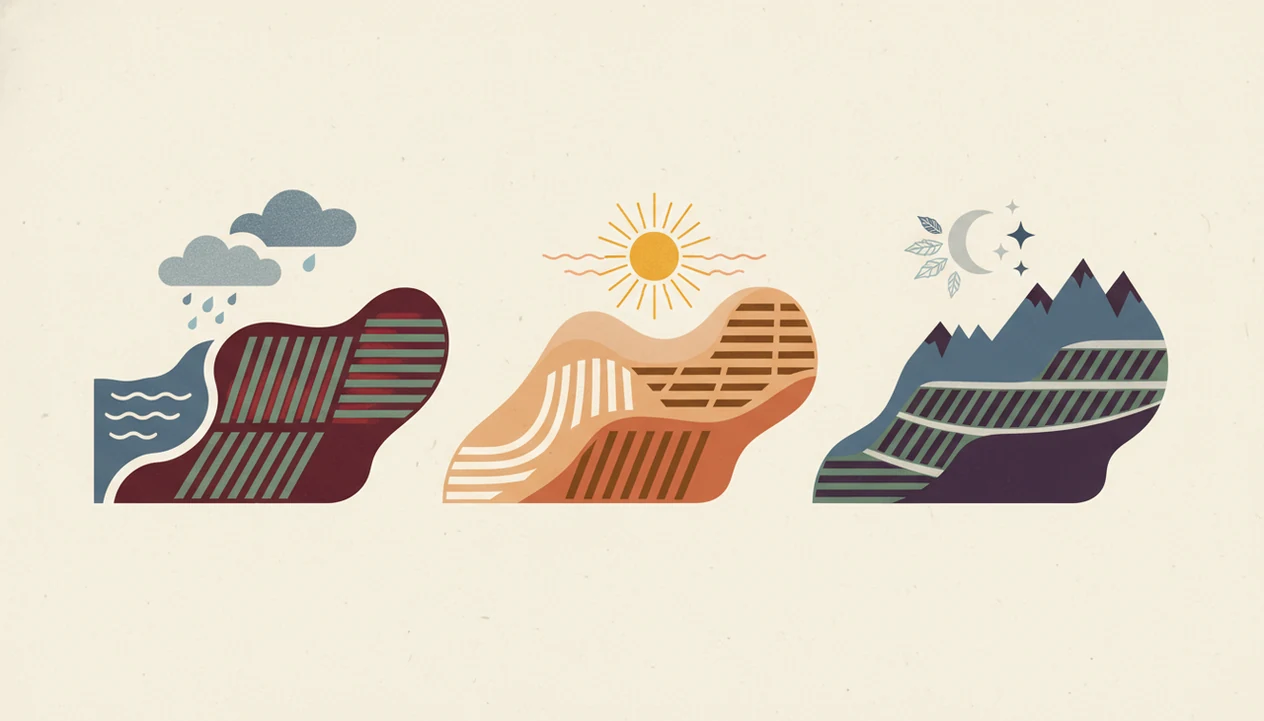
Does the same vintage year mean the same quality everywhere? No. Vintage quality is local because weather arrives unevenly across regions.
A drought in Southern France does not mean Oregon, Tuscany, or Mosel had the same season. One place may get heat stress, while another gets a clean, dry harvest. Global wine production in 2023 was estimated at 237 million hectoliters, one of the lowest levels since 1961, largely because weather disrupted major producing countries in different ways. Source: OIV, State of the World Vine and Wine Sector in 2023, https://www.oiv.int/sites/default/files/documents/OIVSTATEOFTHEWORLDVINEANDWINESECTORIN2023.pdf. The European Commission also reported a 7.5% drop in EU wine production versus the five-year average, linked to spring frost, heatwaves, and drought. Source: European Commission short-term agricultural outlook, https://agriculture.ec.europa.eu/data-and-analysis/markets/outlook/short-term_en.
That is why a vintage year lookup should never stop at the calendar year. It needs region, appellation, and grape. The wine regions and appellations guide is useful when a label says “Médoc,” “Willamette Valley,” or “Chianti Classico” and you’re not sure how specific that place is.
Good AI-powered wine identification and cellar management tools deliver label matching, regional vintage context, drink timing, and cellar reminders, not a mystical guarantee that every bottle will taste great.
Vintage Year Lookup for Estimating Wine Value
Vintage year lookup can help estimate wine value because strong years often command higher prices than difficult years. In Bordeaux research, a very good vintage year raised en primeur futures prices by up to 130% compared with poor years. For the Bordeaux vintage-pricing relationship, cite the underlying economics research inline: https://doi.org/10.2307/2235490.
That does not mean every expensive bottle is fairly priced. Famous producer plus weak vintage can be an overpaying trap, especially when the shelf tag leans on reputation instead of harvest quality. I have seen this happen with a steak order beside bold red options, where the known château name made the price feel safer than it was.
The reverse can be useful. Strong vintage plus lesser-known producer may be a bargain when the region had healthy fruit, balanced ripeness, and clean harvest conditions. For cellar records, vintage lookup also helps decide which bottles to sell, insure, or open while they still sit near peak value.
For buyers, vintage lookup is often better than relying on label fame alone because it checks whether that specific harvest supports the asking price.
Common Myths About Wine Vintage Guides
Wine vintage guides are helpful, but they are easy to misuse. The biggest mistake is treating one score like a promise.
Myth 1: Older always means better. Many wines are made for early drinking and peak within a few years. A tired bottle of everyday white is not improved by age.
Myth 2: A great year is great everywhere. Regional variation is normal. A strong Champagne year can sit beside a difficult year somewhere else.
Myth 3: A high-rated vintage guarantees every bottle is excellent. Producer choices, vineyard site, picking date, and storage can all pull a bottle away from the regional average.
Myth 4: Nonvintage wines are inferior. NV sparkling wines and blends can be consistent because producers combine years to reach a house style.
A good enough note beats a tasting exam. Write “fresh cherry, liked with pizza” if that is what you’ll remember.
Using Vintage Lookup for Cellar Drink-Window Decisions
Vintage lookup helps cellar decisions by combining regional quality with the grape’s normal aging curve. A structured Cabernet from a strong year may need time, while a lighter red from a weaker year may be better soon.
AI cellar trackers can flag bottles approaching or passing their estimated window. Apps such as Wine Identifier App, CellarTracker, and Wine-Searcher can help, depending on whether you want scanning, community notes, or price search. If you are trying to define the concept first, this guide on what is wine drinking window explains the basic timing language.
Weaker vintages often peak earlier, so they should not automatically wait behind famous strong years. Storage can overrule everything, though. Heat, bright light, seepage, and cork failure can ruin an older bottle from a praised year.
I like to add one personal line: “prefer fresh fruit” or “okay with earthy age.” That small note adjusts the recommendation better than a score alone.
Limitations
Vintage lookup is a decision aid, not a guarantee. It narrows the guesswork, but the bottle still has a history you may not know.
- Vintage charts are regional averages, so they cannot account for every producer, vineyard plot, picking date, or cellar choice.
- AI lookup quality depends on database freshness, label-matching accuracy, and coverage for smaller producers.
- Climate change is shifting historical patterns, so old assumptions about “safe” regions and years may age poorly.
- Storage history can matter more than vintage rating for older bottles, especially after heat exposure or cork damage.
- A stained vintage year or torn back label can lead to the wrong match if you do not confirm the scan.
- Personal taste can override the suggested window. Some drinkers love fresh fruit; others like leather, mushroom, and dried herbs.
- Value estimates can lag the market, especially for small-production bottles or sudden collector demand.
For cellar timing, a drinking window calculator can help turn vintage guidance into a practical open-next list.
FAQ
What does the vintage year mean on a wine label?
The vintage year is the year the grapes were harvested. It is not usually the bottling year or the release year.
Is an older wine always better than a newer wine?
No. Most everyday wines peak within a few years and can decline if they are held too long.
Are nonvintage wines lower quality than vintage wines?
No. Nonvintage wines can be consistent and sometimes better than a single wine from a weak vintage.
Do vintage charts apply to every producer in a region?
Vintage charts are regional averages. Individual producers can perform above or below the regional rating.
Can vintage lookup estimate what my wine is worth?
Yes, vintage lookup can support a value estimate by showing whether the harvest year was strong, average, or weak. Price still depends on producer, condition, rarity, and demand.
How does weather affect vintage quality?
Temperature, rainfall, frost, and drought affect grape ripeness, acidity, tannin, and disease pressure. That is why the same grape can taste different from one year to the next.
Does storage matter more than vintage for older bottles?
Yes, poor storage can ruin even a highly rated vintage. Heat, light, cork failure, and seepage are serious warning signs.
Can an app automate vintage lookup from a wine label?
Yes. Wine Identifier App can scan a label, identify the bottle, and return vintage-specific drink-window and value guidance when the match is available.